


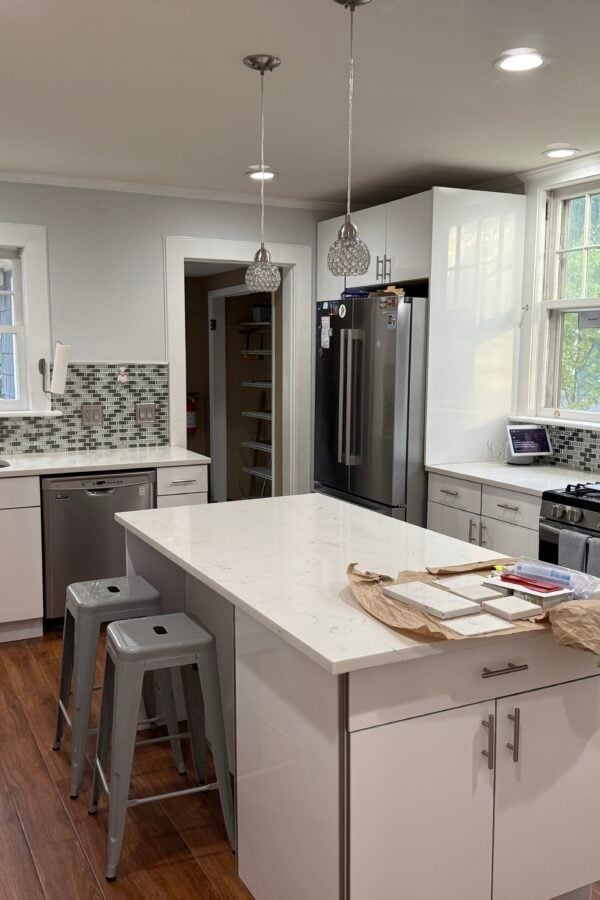
Renovating Slowly (And Intentionally)
If you’ve ever tried to cook dinner off a folding table, shuffle meals through a temporary kitchen, and make peace with the fact that everything you own is suddenly out in the open — you’ll understand exactly where we are right now.
To be clear, we’re incredibly lucky: our contractor has done a phenomenal job of separating the demo’d portion of the house from the livable space, including setting us up with a truly impressive temporary kitchen so we’re not stepping over tools or living in constant construction dust. That said, our makeshift “pantries” — where all of our pots, pans, plates, and cookware now live — are completely exposed… and therefore absolutely covered in dog hair. It’s driving all of us a little bit crazy.
Add in the folding tables, limited counter space, and the feeling of being squeezed into a version of your own home that doesn’t quite work, and the novelty wears off quickly.
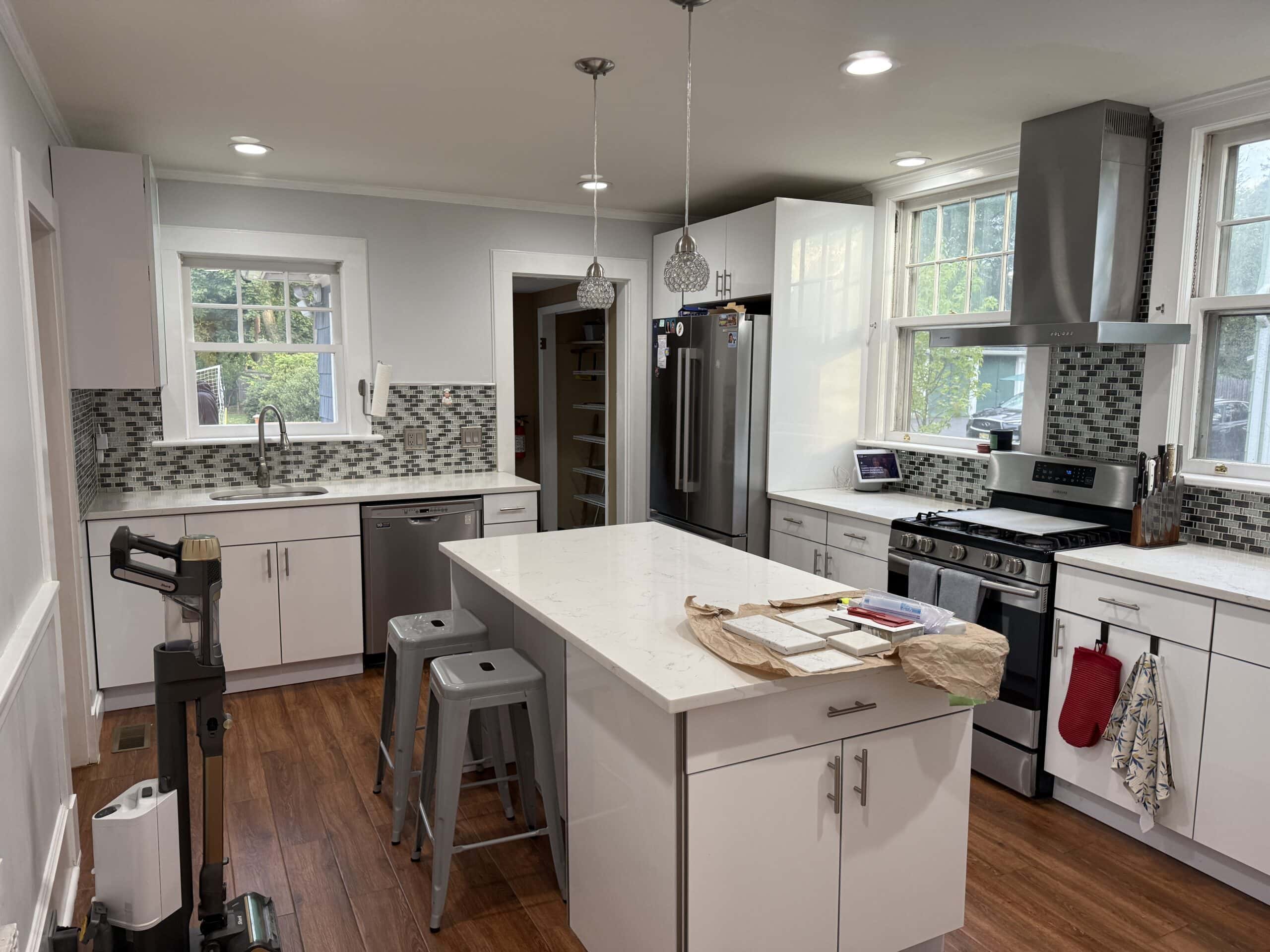
When we moved into our home in January of 2021, we knew almost immediately that we wanted to renovate. The plan, at least in theory, was to begin as soon as possible. Fast forward to September of 2025 — after a complete HVAC overhaul the fall prior — and we finally started this phase of the project. It’s not an exaggeration to say this renovation has literally been years in the making.
This post isn’t about finishes or floor plans just yet. It’s about why we decided to do this at all — and why we chose to do it thoughtfully, even when that tested every ounce of my patience.
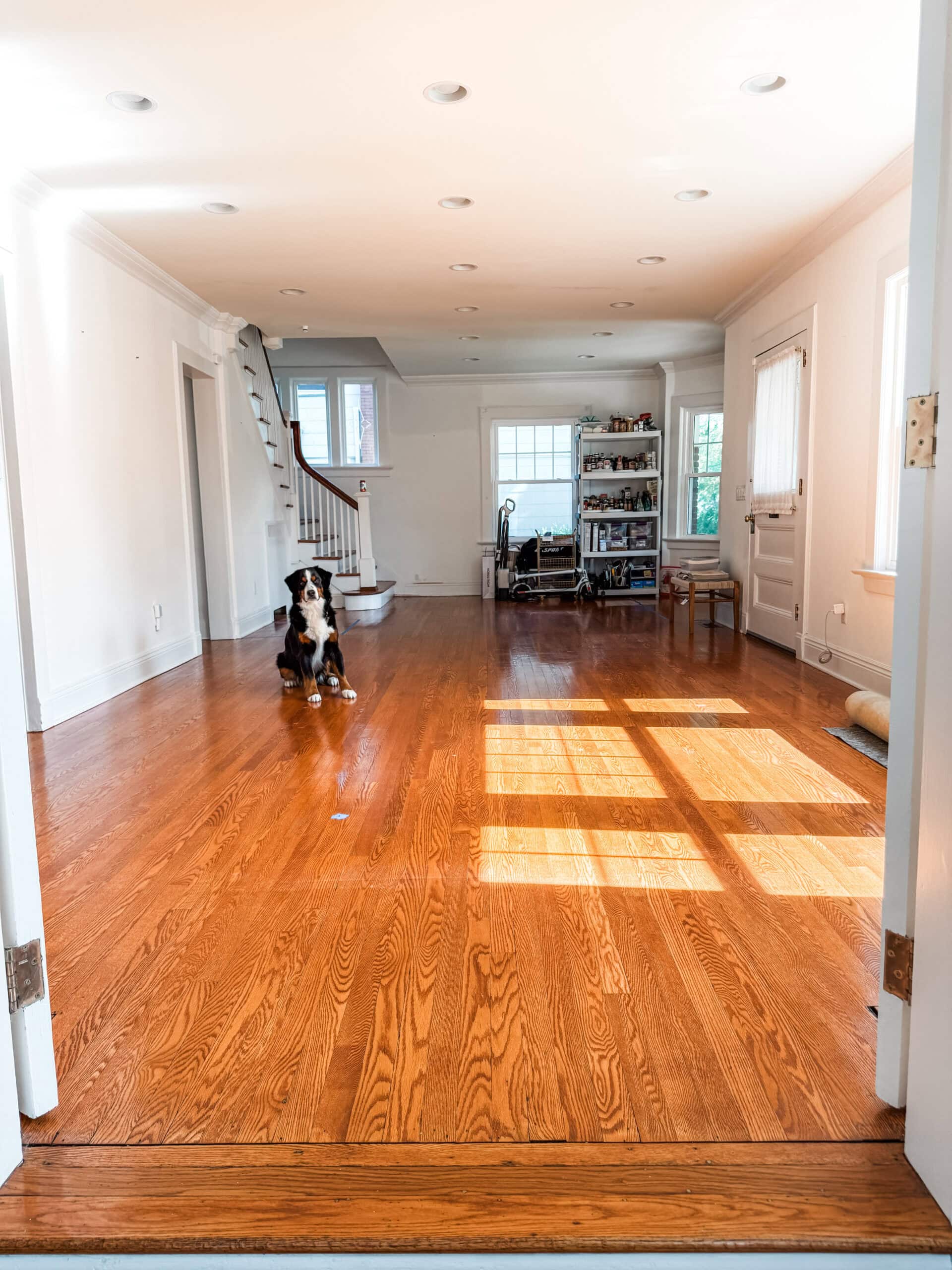
Why Renovate at All?
At its core, this renovation isn’t about trends or making the house bigger for the sake of it (though those are perks). It’s about making our home work better for how we actually live.
I cook for a living — recipe testing days, family dinners, hosting friends, quick lunches between shoots — and our existing layout simply wasn’t supporting any of that with ease. Storage was limited, rooms were closed off, and the kitchen felt disconnected from the rest of the house.
Some of the issues were small but relentless. Others were impossible to ignore.
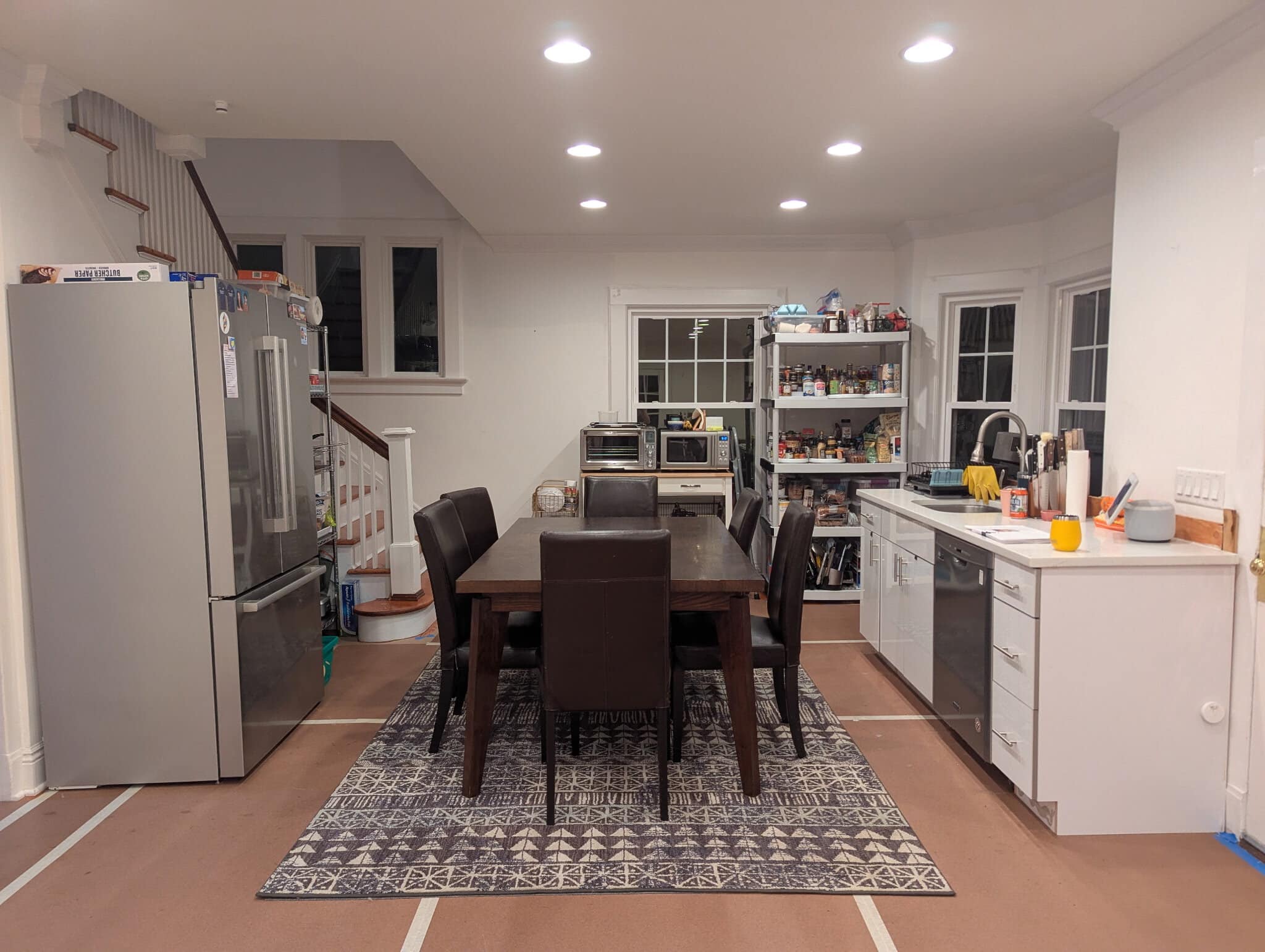
The Kitchen That Slowly Drove Us Crazy
Our old kitchen had plenty of quirks, but a few stood out as daily frustrations:
- The kitchen island wasn’t bolted to the floor. If you pushed hard enough, it moved — it somehow also had no electrical outlets.
- Related, there were only seats for two people at the island. 😮💨
- The sink was located near upper cabinets in a way that if someone was washing dishes, you couldn’t open the cabinet above to put plates away without essentially hitting them in the head (see above).
- Cabinets didn’t close properly and pushed into framing when opened all the way.
- The windows felt as old as the house itself — everything was incredibly drafty.
None of these things were deal-breakers on their own, but together they made cooking feel harder than it needed to be — especially in a house where the kitchen is very much the heart of daily life.
Other Layout Challenges We Couldn’t Ignore
The kitchen wasn’t the only space that needed attention.
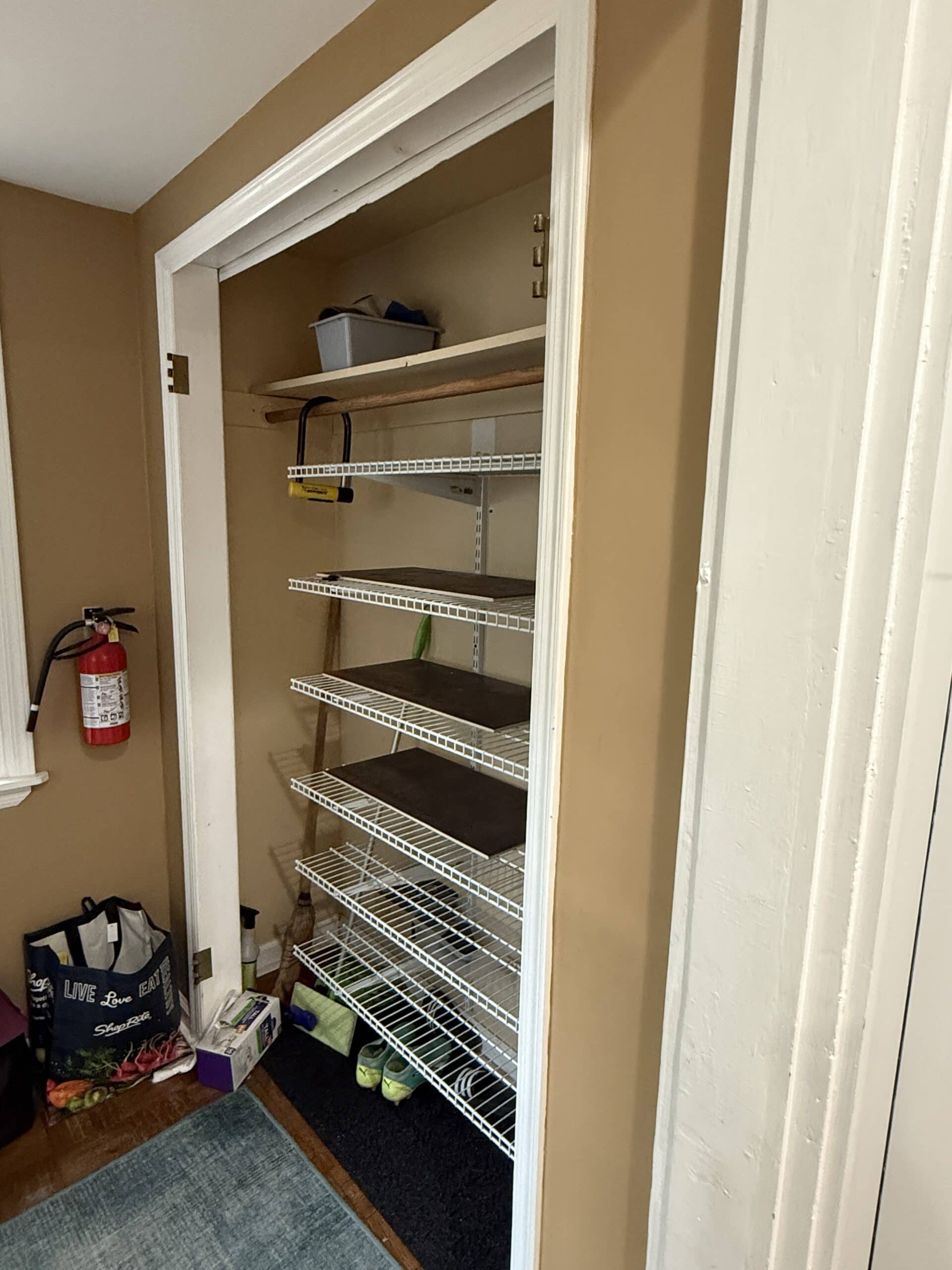
Our mudroom was small, drafty, and barely fit three people at once — let alone five, plus backpacks, coats, shoes, and a dog who insists on supervising everything.
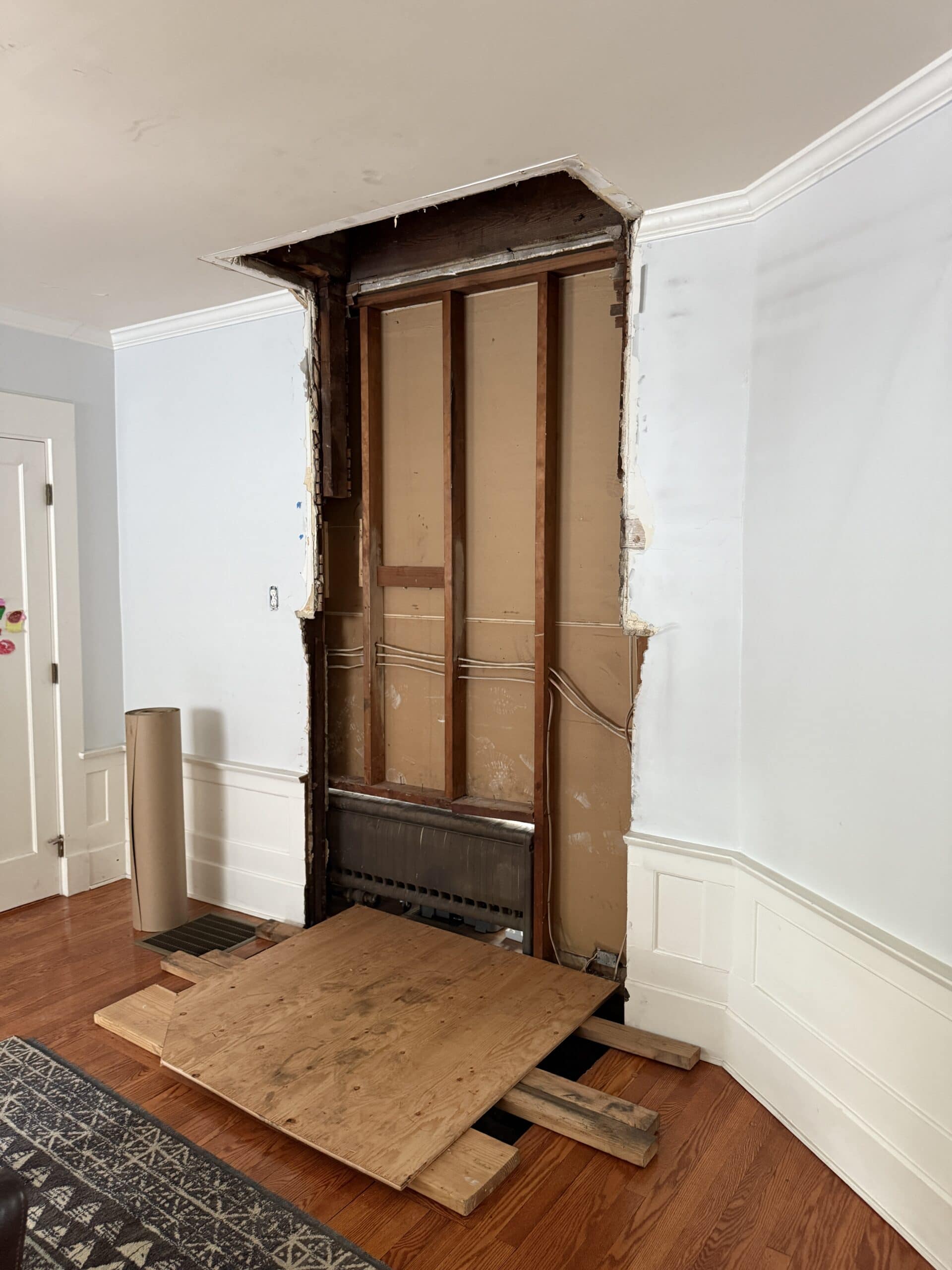
The dining room had a non-functional fireplace that either needed to be replaced or removed entirely. We chose the latter, along with opening up surrounding walls, to create better flow throughout the first floor.
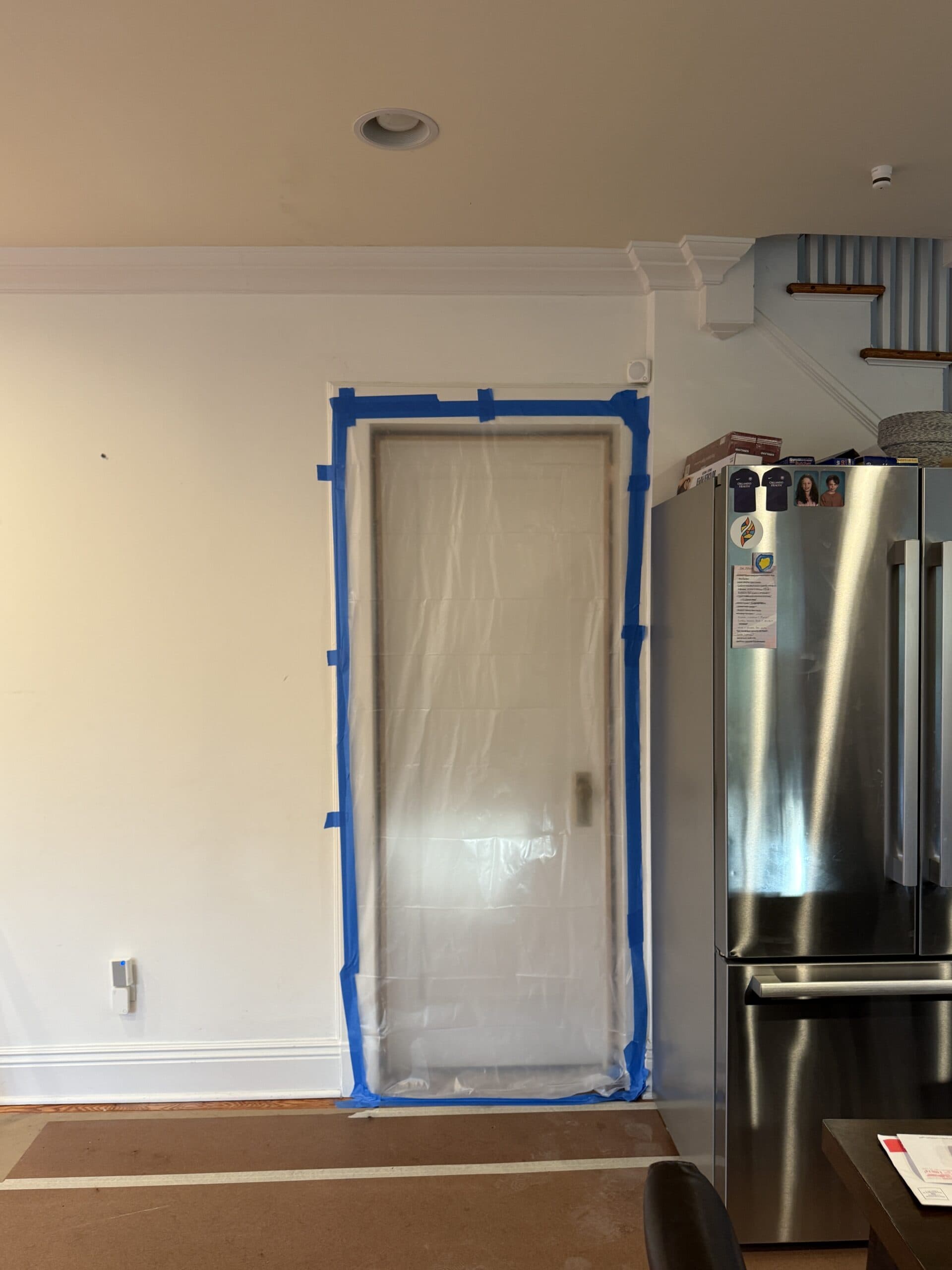
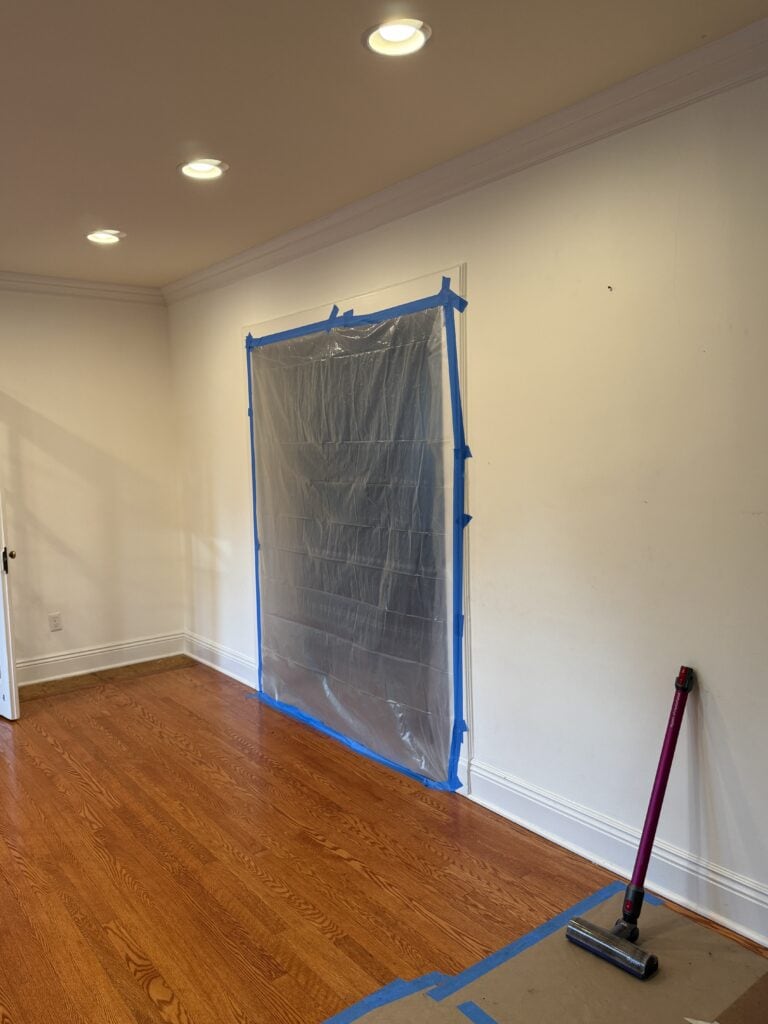
And then there were the pantries — two completely separate ones, located on opposite sides of the kitchen. Nobody every knew where anything lived, which made organization nearly impossible and cooking far less efficient than it should be.
What This Renovation Actually Involves
Rather than renovating room by room, we decided to break this project into phases, beginning with the first floor and basement. (Alas, our dream master suite will have to wait a bit longer.)

This phase includes:
- Bumping out the back of the house to make space for a dream kitchen + family room (while increasing basement footprint too)
- Opening walls (while building others) to create newly defined spaces that didn’t exist
- Building a dedicated office for me — closer to the kitchen! — so I’m not running through the house with overflowing pots and dishes
- Rethinking storage, workflow, and layout from scratch
- Upgrading all electrical, HVAC, and plumbing while walls are open
- Considering how best to give the exterior a makeover
Before any of that could happen, though, there was a lot of planning.
While I’ll save the details of working with an architect for another post, it’s worth noting just how much time is required to thoughtfully design a space like this. From initial concepts to finalized drawings that can be sent out to contractors for bids, the process took us about a year. It can be quicker — but for us, that was the realistic timeline if we wanted to get it right.
Designing this space has tested my patience like no other.
The Emotional Side of It All
What surprised me most is how emotional this process has been.
There’s excitement, of course — imagining future dinners, holidays, and recipe testing days in a space that finally works. But there’s also the discomfort of disruption, decision fatigue, and learning to be patient when everything feels unfinished.
I didn’t expect our kids to feel so nostalgic about walls coming down… but as I was rejoicing over the former mudroom’s demolition, our kids were mourning the days of that wretched space. (It really was the worst.)
What’s Next
In the next post, I’ll dive into how we approached designing a kitchen that balances recipe testing, family life, and everyday ease — including what mattered most to me and what I refused to compromise on.
Whether you’re renovating, dreaming, or simply curious about how a working kitchen comes together, I’m glad you’re here.
This post is part of my ongoing renovation series, Building a Well-Seasoned Home, where I’m sharing the process of reimagining our 120-year-old house for modern family life and real cooking. You can start from the beginning or follow along as we go — one decision at a time.

Let us know your thoughts!