


The first time I enjoyed sardine rillettes, I was perched at a zinc-topped bar in Paris, spreading it onto torn baguette with a flimsy plastic knife—and I didn’t care one bit. It was cool, lemony, faintly briny, rich with butter, and gone in about four bites. This version brings that same little bistro moment home, and it comes together faster than you can preheat an oven for anything else on my running list of easy, elegant appetizers to keep in your back pocket.
Rillettes, if you haven’t made it before, is a French preservation technique (traditionally used for meats like duck or pork). The protein cooks low and slow in fat until it falls apart into something spreadable, almost pâté-like. Sardines get the express version: no hours of cooking required. You’re simply folding good canned (or poached fresh) fish into Greek yogurt and softened butter with capers, fresh herbs, and a good hit of lemon. Ten minutes of stirring, and you’ve got something that tastes like it took all afternoon.

One quick note before we get into it: don’t confuse sardines with anchovies here. Anchovies are smaller, saltier, and cured before brining, which makes them noticeably more assertive and oily. Sardines are much milder. So much so that even sardine-skeptics tend to come around after the first bite. 😉
How To Make Sardine Rillettes
The method could not be simpler.
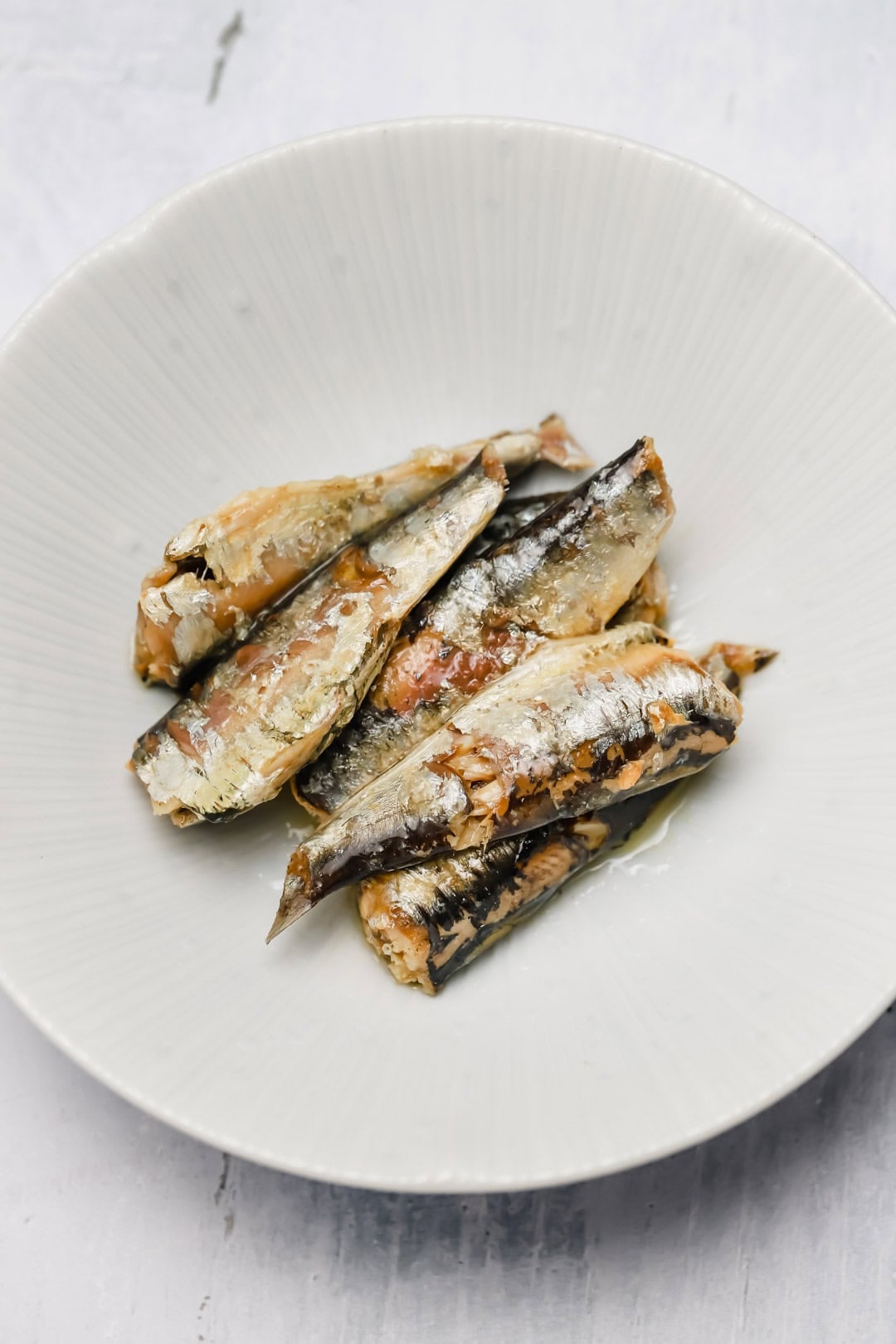
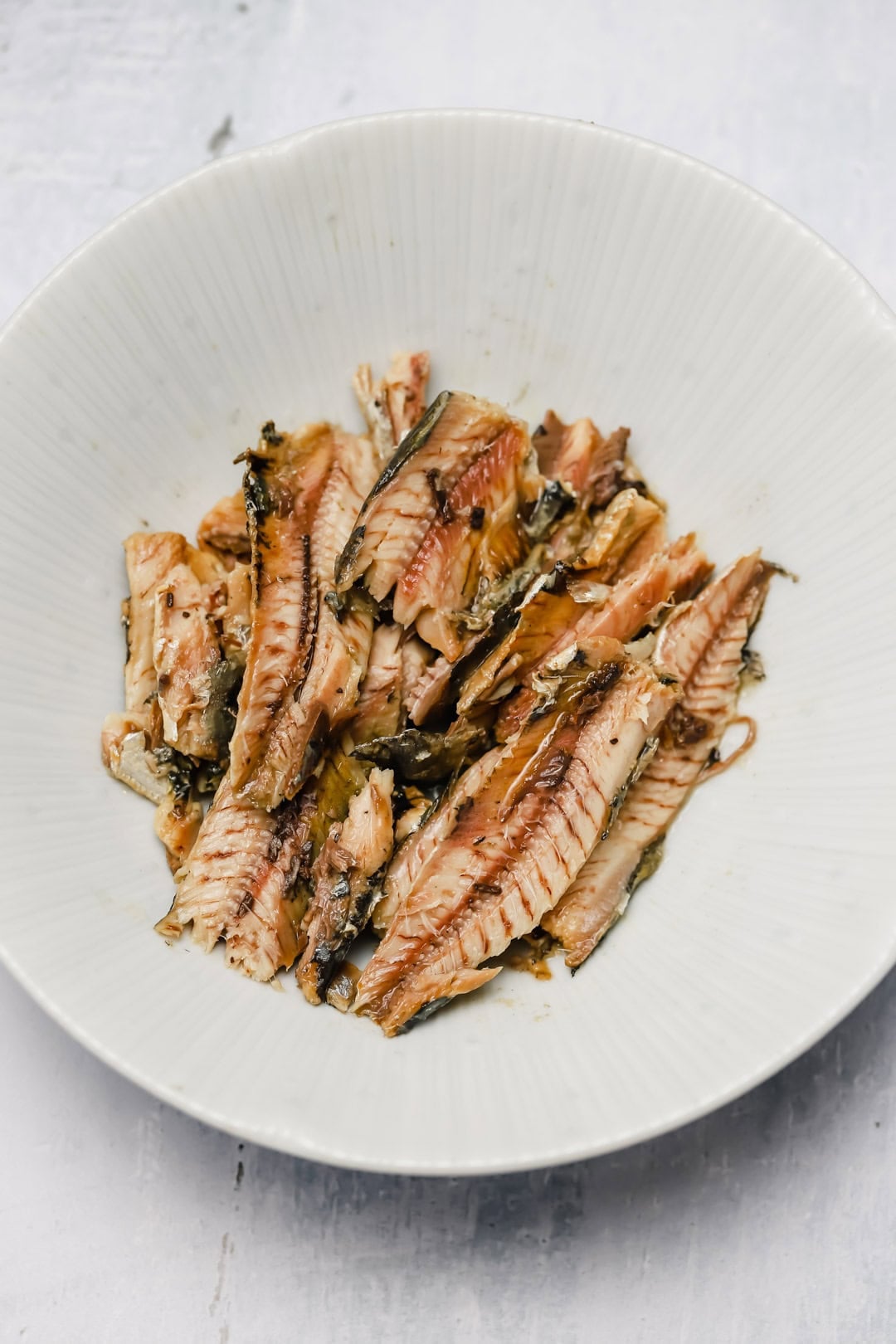
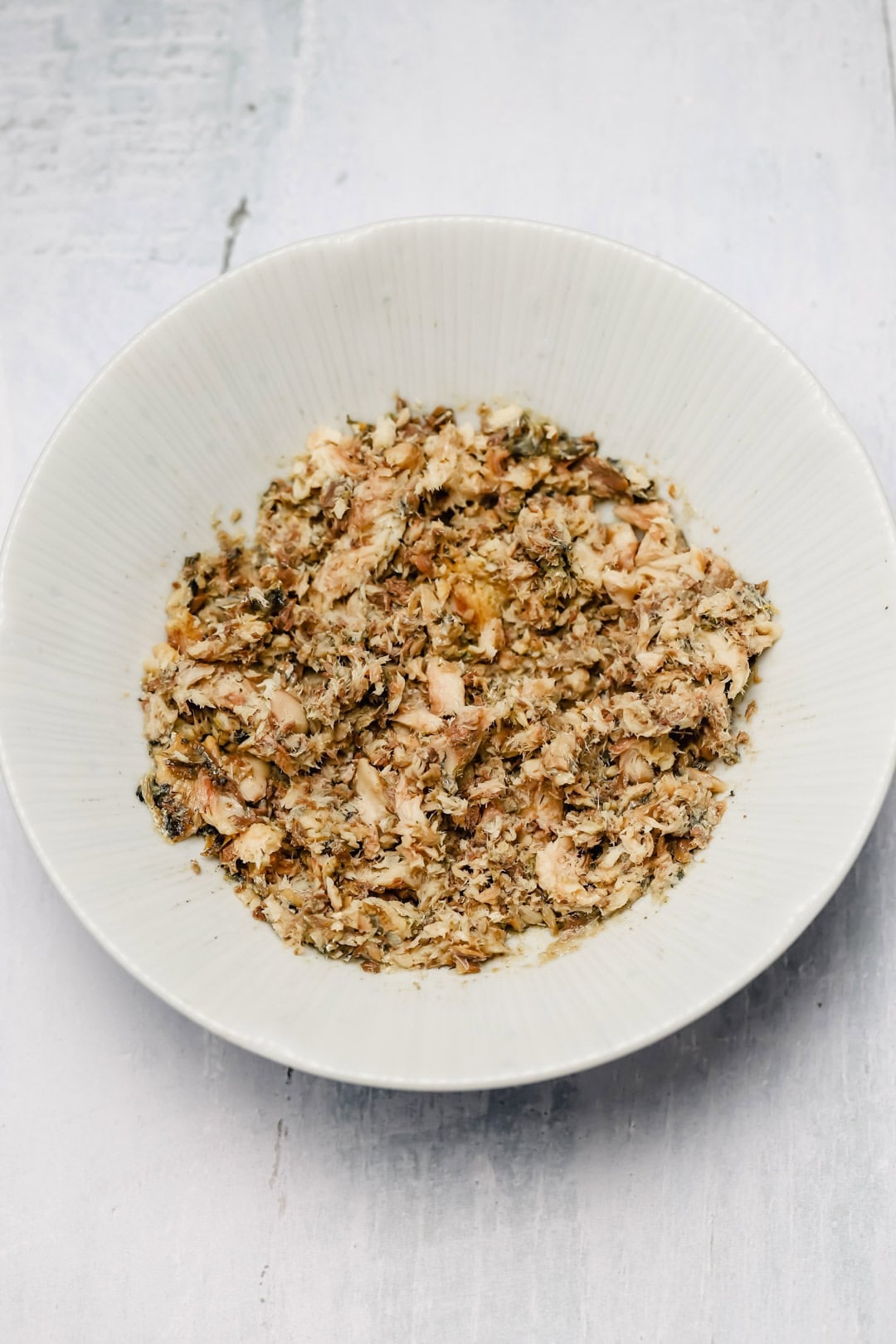
Add the remaining ingredients right along with the sardines: yogurt, butter, capers, herbs, lemon zest and juice, salt, and pepper.

Every time I make this, I take a little bite right after stirring it all together, re-season as needed, and then chill it. Trust me, an hour in the fridge lets the flavors meld and the texture firm up.
When read to serve, let it sit out at room temperature for a few minutes so it’s easy to spread. If you’re setting this out as part of a bigger spread, it holds its own with crusty baguette or sturdy crackers next to something bright like fresh cherry tomato confit or a bowl of creamy white bean dip.

Can You Use Fresh Sardines?
Absolutely. If you can find them, fresh sardines make a wonderful version of this easy French appetizer. But there’s one important difference: fresh sardines need to be cooked before they go into the bowl. Unlike canned sardines, which are already fully cooked, raw fresh fish shouldn’t go straight into a no-cook mixture like this one. (In my salmon rillettes, I actually combine poached and smoked fish!)
Here’s how to prep them:
- Clean and fillet. Scale, gut, and fillet the fish, removing the head, tail, and pin bones (your fishmonger will happily do this for you if you ask).
- Poach until just cooked through. Gently simmer the fillets in salted water, court bouillon, or olive oil until opaque and flaky, about 3-5 minutes depending on size. A light pan-sear works too, if you’d rather.
- Cool, then flake. Let the fish cool slightly, then flake it with a fork, discarding any skin or stray bones.
- Proceed as directed. From here, treat the flaked, cooked fish exactly like you would canned sardines: mash, mix, chill, and serve. 💯
In the US, fresh sardines can be tricky to track down outside of a good fish market, but in Europe, they’re often an easy find. If sardines still aren’t your thing, canned tuna is a milder stand-in.

If you make this rillettes recipe, I’d love to hear how it turned out—leave a review and rating below!
And make sure to sign up for our newsletter and follow along on Instagram, TikTok, YouTube, Pinterest, and Facebook for more Well Seasoned recipes! Don’t forget to tag us on social channels when you make a recipe at #wellseasonedstudio and upload your photos below! We love seeing what you’re up to in the kitchen!
Tell Us What You Think!
If you make this recipe, don’t forget to leave a review and rating—we value your feedback and it helps us keep creating (and sharing!) free recipes. Your support means the world!
Rate this Recipe
15-Minute Sardine Rillettes (with Fresh or Canned Sardines)
Equipment
Ingredients
- 2 tins of high-quality sardines in olive oil (see note below if working with fresh sardines)
- 4 Tbsp Greek yogurt, sour cream, or crème fraîche
- 2 Tbsp unsalted butter, room temperature
- 1 Tbsp capers, drained and roughly chopped
- 1 Tbsp chives, finely chopped
- 1 Tbsp fresh dill, finely chopped
- 1 tsp lemon zest
- 1 Tbsp fresh lemon juice
- ½ tsp Kosher salt
- ¼ tsp freshly ground black pepper
Instructions
- Remove the sardine bones. Use your hands or a small fork to gently open up each sardine (kind of like a book). The bones will be visible on one side of the fillet, and should easily lift away. Discard the bones, then place the fish fillets into a medium bowl.
- Mash the sardines. Use a fork to gently mash the sardines into a paste-like consistency.
- Add remaining ingredients. Add 4 Tbsp Greek yogurt, 2 Tbsp room temperature butter, 1 Tbsp capers, 1 Tbsp chives, 1 Tbsp chopped dill, lemon zest, lemon juice, ½ tsp Kosher salt, and ¼ tsp black pepper. Stir gently to combine.
- Refrigerate. Cover tightly, then refrigerate rillettes for 1 hour.
- Serve. Allow the rillettes to come up slightly to room temperature, then serve with crackers or baguette.
Notes
- Fresh sardines are fantastic here, however, they need to be cooked before they go into the bowl. Unlike canned sardines, which are already fully cooked, raw fresh fish shouldn’t go straight into a no-cook mixture like this one. Full details in recipe post if you’re going this route.
- Store leftovers in an airtight container in the refrigerator for up to 3 days.
- No Greek yogurt? Use sour cream or crème fraîche instead.


Are you certain that raw, fresh sardines are OK to use in this recipe? Everything I have seen about fresh sardines indicates that they should never be eaten raw since they are likely to contain Anisakiasis parasites.
Hi Jim! Thanks so much for asking this, as it’s a really important distinguishing factor. You can absolutely use fresh sardines to make rillettes, but they should be cooked, not raw. I’ll make this abundantly clear in the post, but on the chance that you’re quickly looking for info on how to prepare:
To safely prepare fresh sardines, use kitchen shears to cut along the belly from tail to head, scoop out the internal organs, and thoroughly rinse the cavity under cold running water to remove all debris. At this point, you can poach the fish gently in white wine (or even just water) with any aromatics you like. Things like garlic, herbs, black peppercorns, etc., are all great. Flake the meat, then use it in the recipe in place of tinned sardines. Hope you enjoy!