


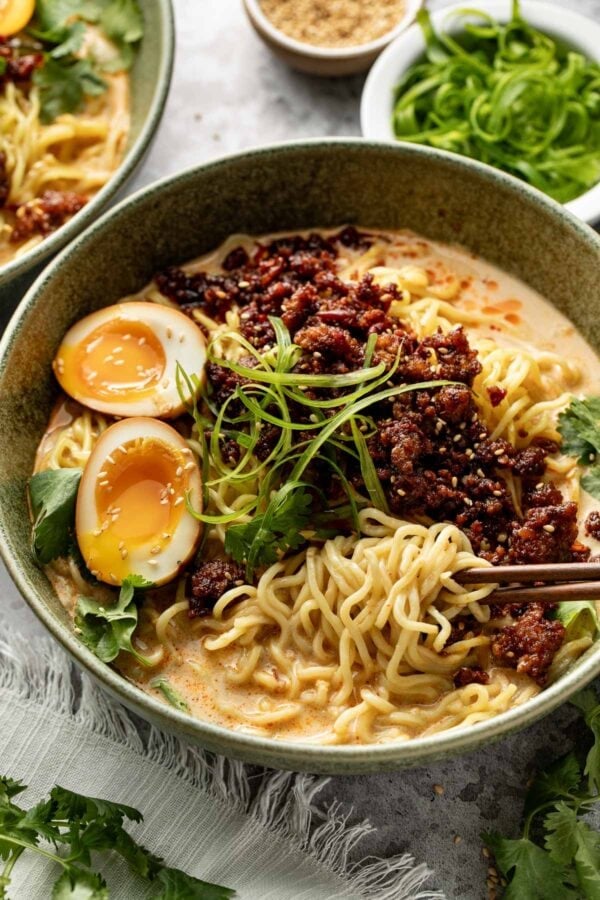
Restaurant-Worthy Tantanmen Ramen You Can Make Tonight
Tantanmen is the bowl I use to judge a ramen shop. Get it wrong and it’s a one-note chili soup. Get it right and it’s layered—nutty from sesame paste, warm and slow-building from chili oil, sharp at the edges from black vinegar, with crispy pork adding salt and crunch in every bite.
The broth here is my one meaningful departure from tradition: full-fat coconut milk instead of the usual soy milk or dairy. It’s a touch sweet and considerably more luxurious, and it does something soy milk can’t—it rounds the heat instead of just diluting it. The result is silky and clingy, coating every noodle rather than sliding off. 💯
Tantanmen (担々麺) is the Japanese adaptation of Sichuan dan dan mian. They’re basically cousins. 😂 If you’ve ordered dan dan noodles from your fav Chinese restaurant, the biggest difference between that and the Japanese version is the broth. Dan dan noodles are an intensely tingly dish tossed in a small pool of sauce whereas tantanmen is a soup.
Quick Ingredient Highlights
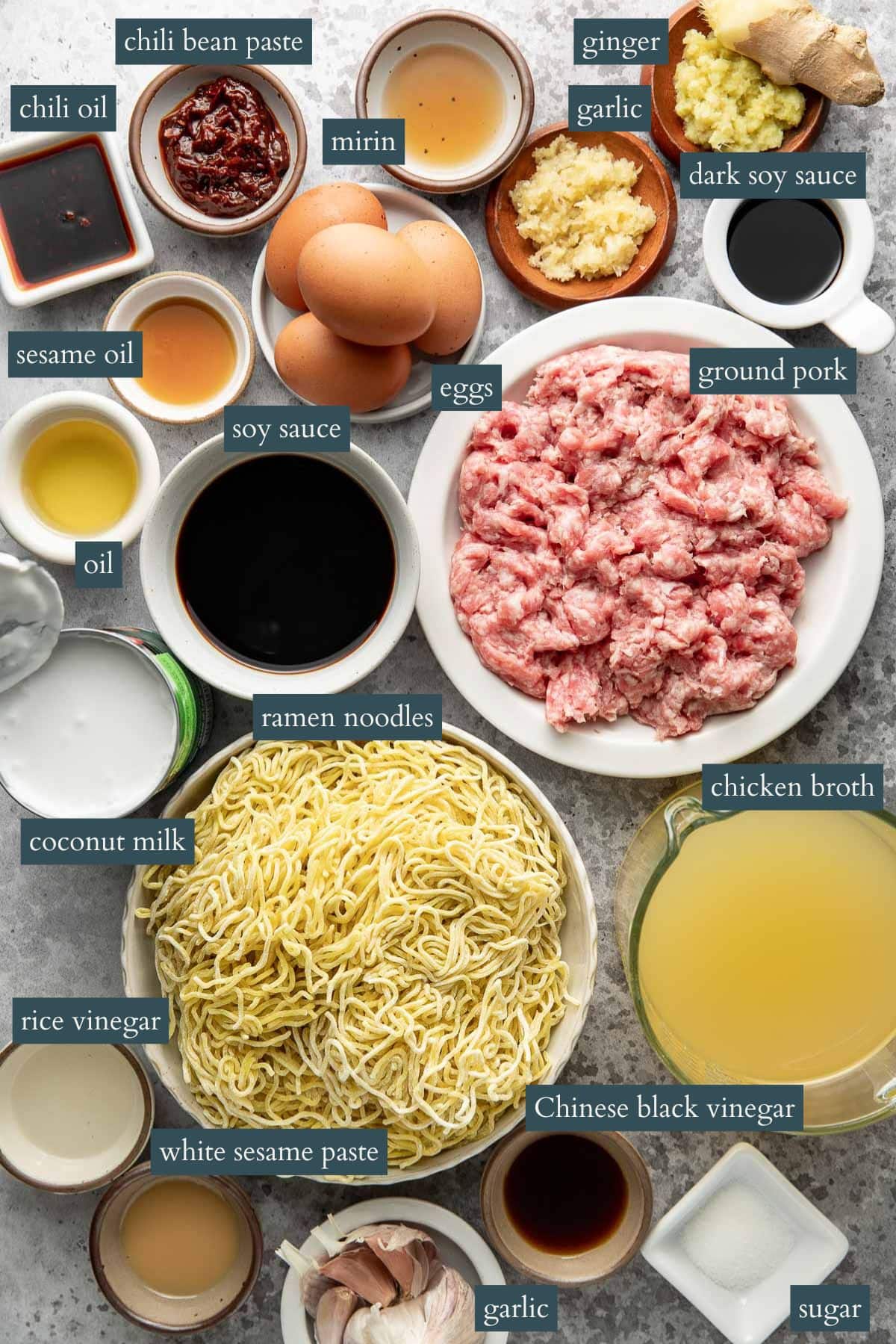
- Doubanjiang is a fermented broad bean and chili paste from Sichuan. It’s salty, funky, and only moderately spicy on its own. Look for Pixian (郫县) on the label if you want the good stuff.
- Neri goma (made from fully toasted sesame seeds) is not the same as tahini (made from raw or lightly toasted hulled seeds). They look identical, but behave differently. If tahini is all you can find, it works, just add an extra splash of toasted sesame oil to compensate.
- If you can’t find Chinese black vinegar, rice vinegar with a few drops of balsamic mimics the malty depth.
- To make it gluten-free, use tamari in place of both soy sauces and swap in rice or buckwheat noodles.
Yes, It’s Worth It to Make Soy-Marinated Eggs
If you’ve never made my soy sauce marinated eggs, you’re in for a treat!


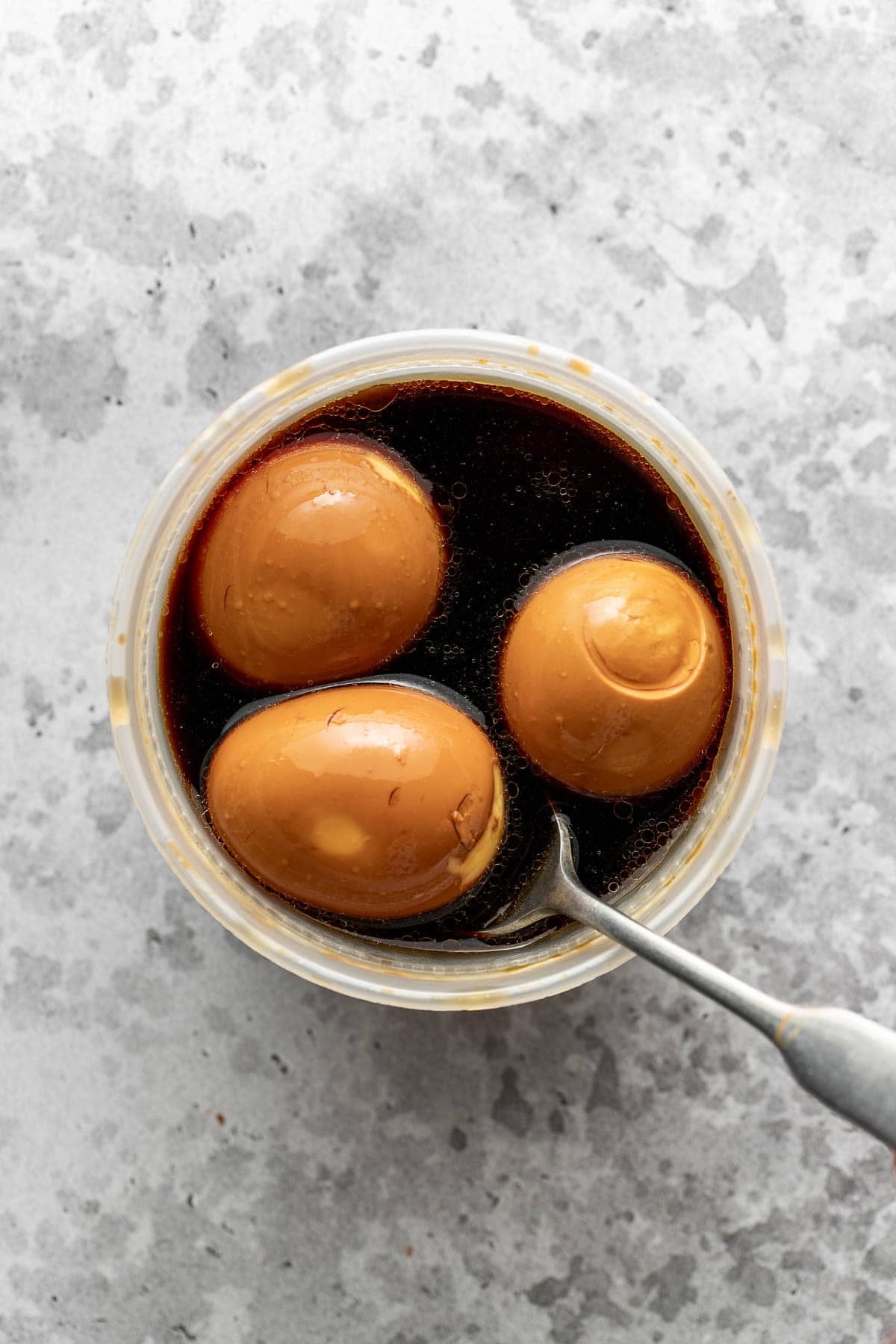
I always make a double batch to enjoy with rice bowls throughout the week!
The Broth: Where the Flavor Actually lives
Japanese chili oil in a warm pan for a full minute before the aromatics goes in changes the entire base.
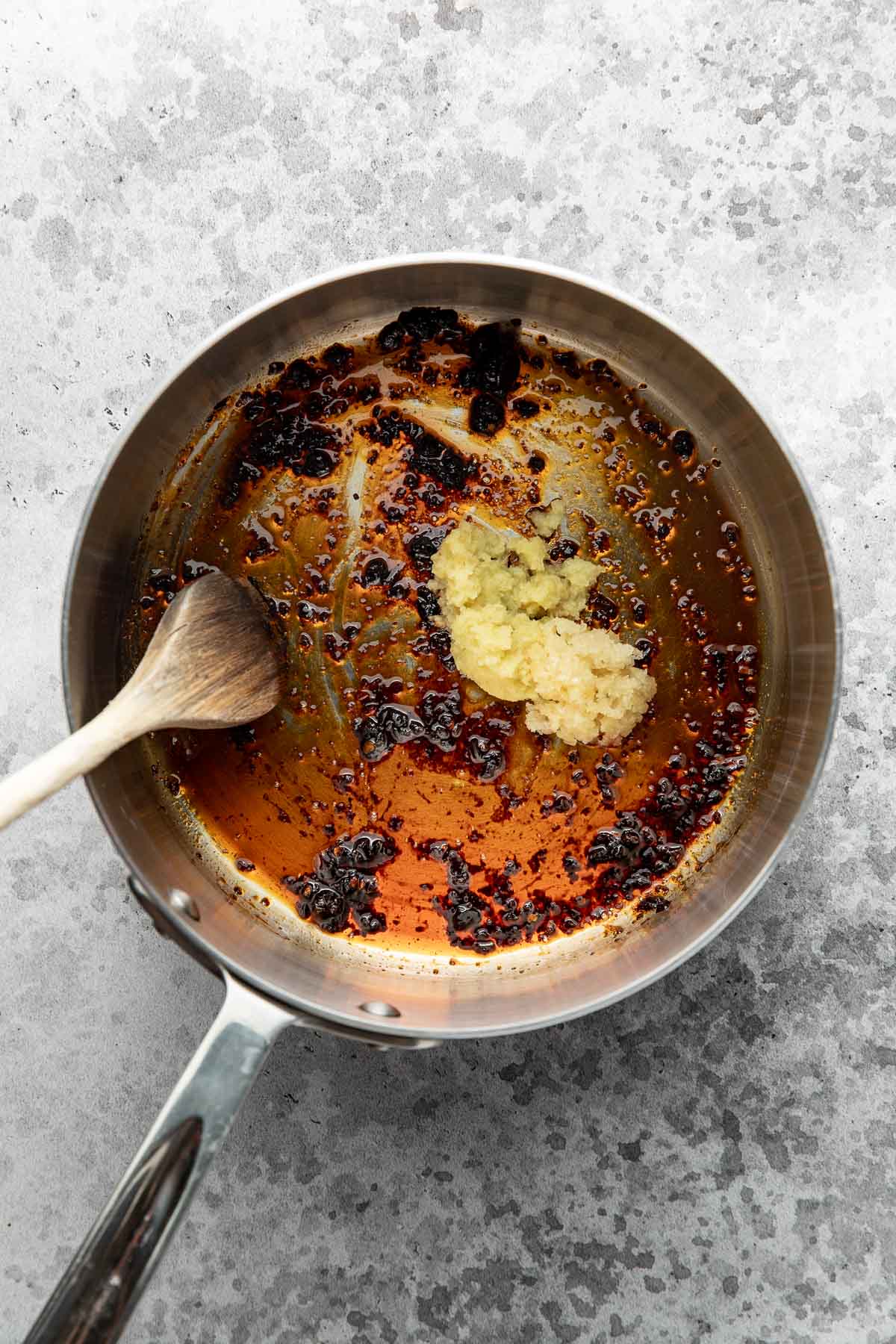
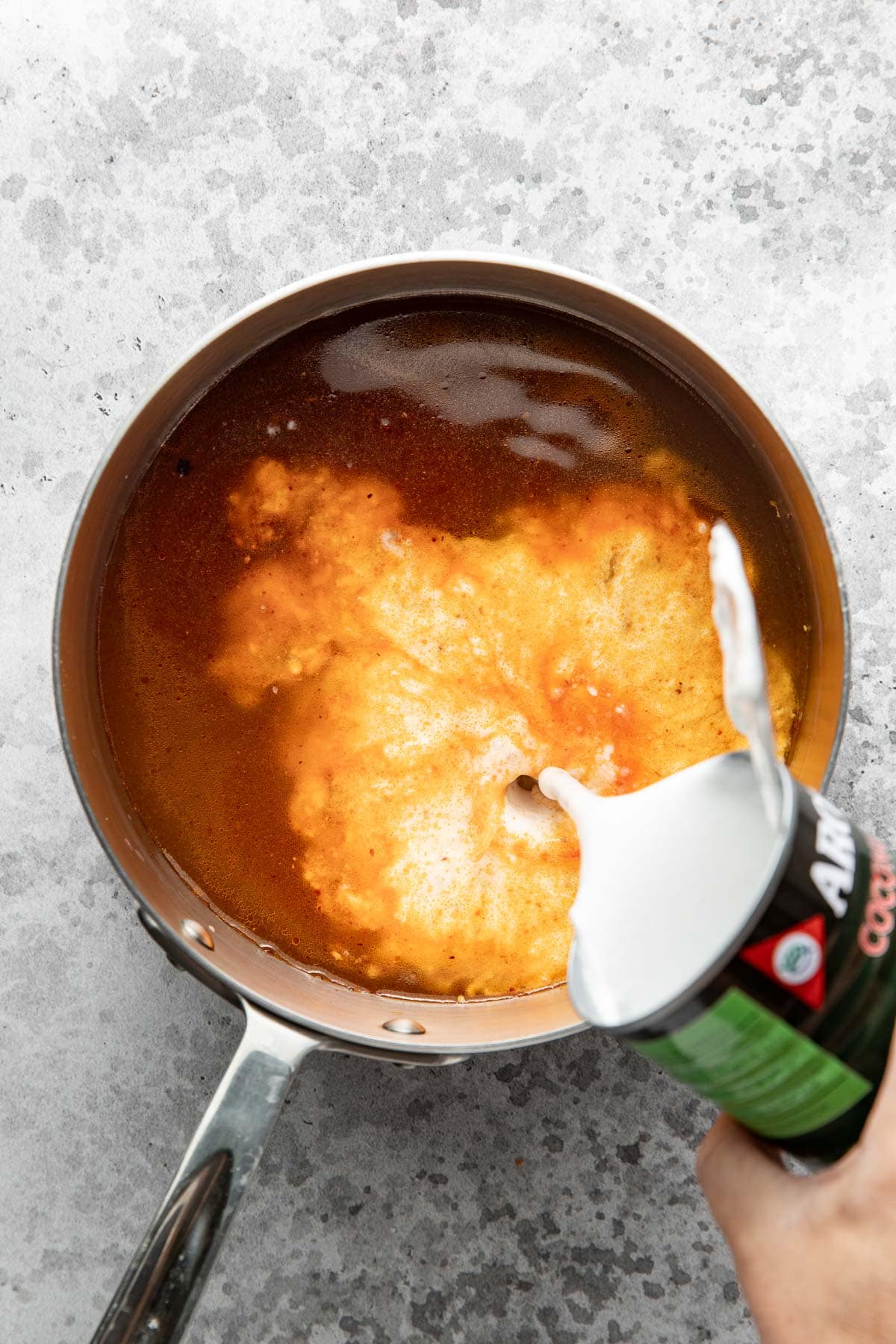
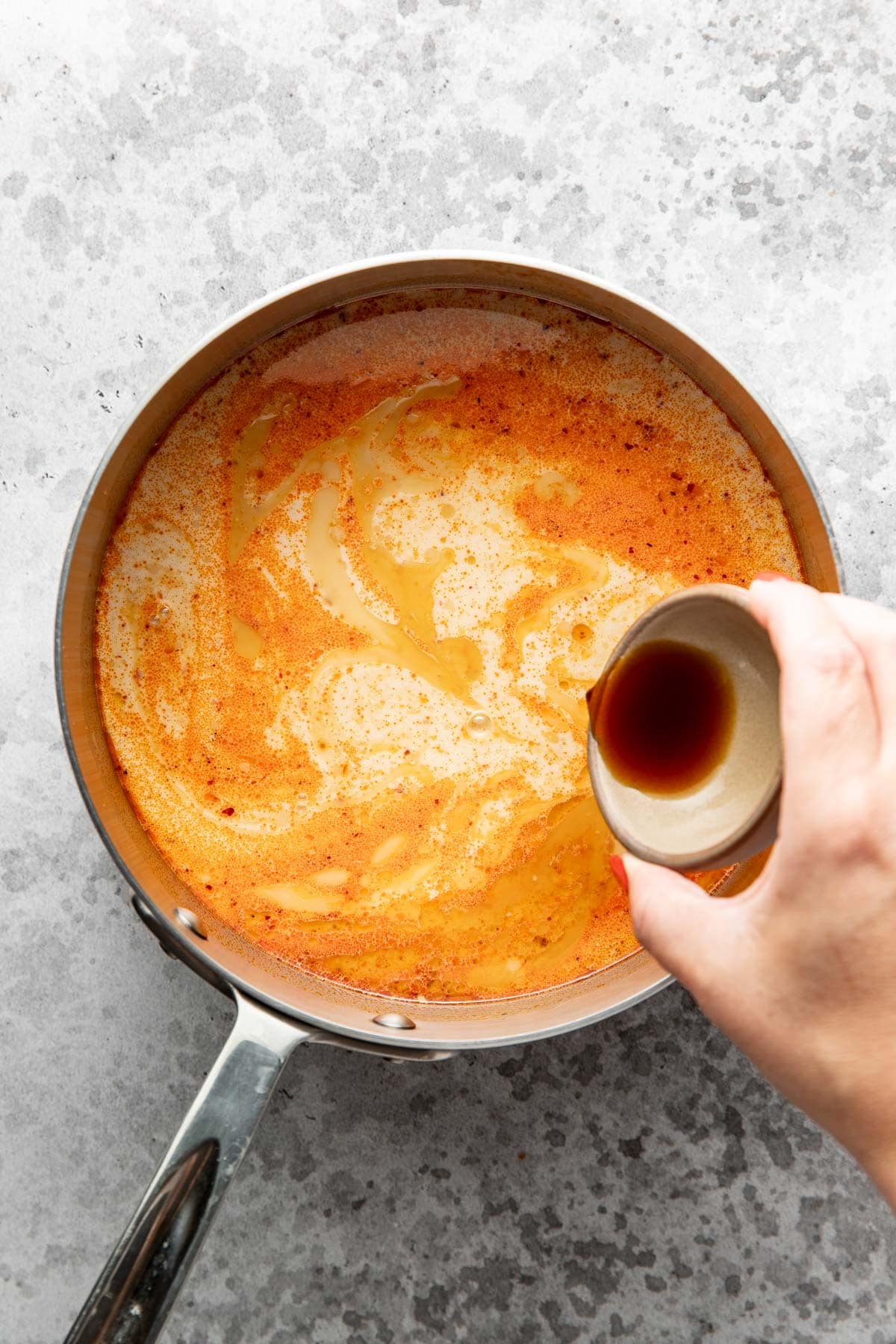
Finish the base with soy sauce, black vinegar, white sesame paste, sesame oil, and sugar. Keep warm until ready to serve.
Crispy Pork Is Not Optional
The pork topping in tantanmen isn’t a garnish. It’s the textural counterweight to a very rich broth. That means you want it genuinely crunchy in spots, not just cooked through. The move is high heat and patience. Trust.
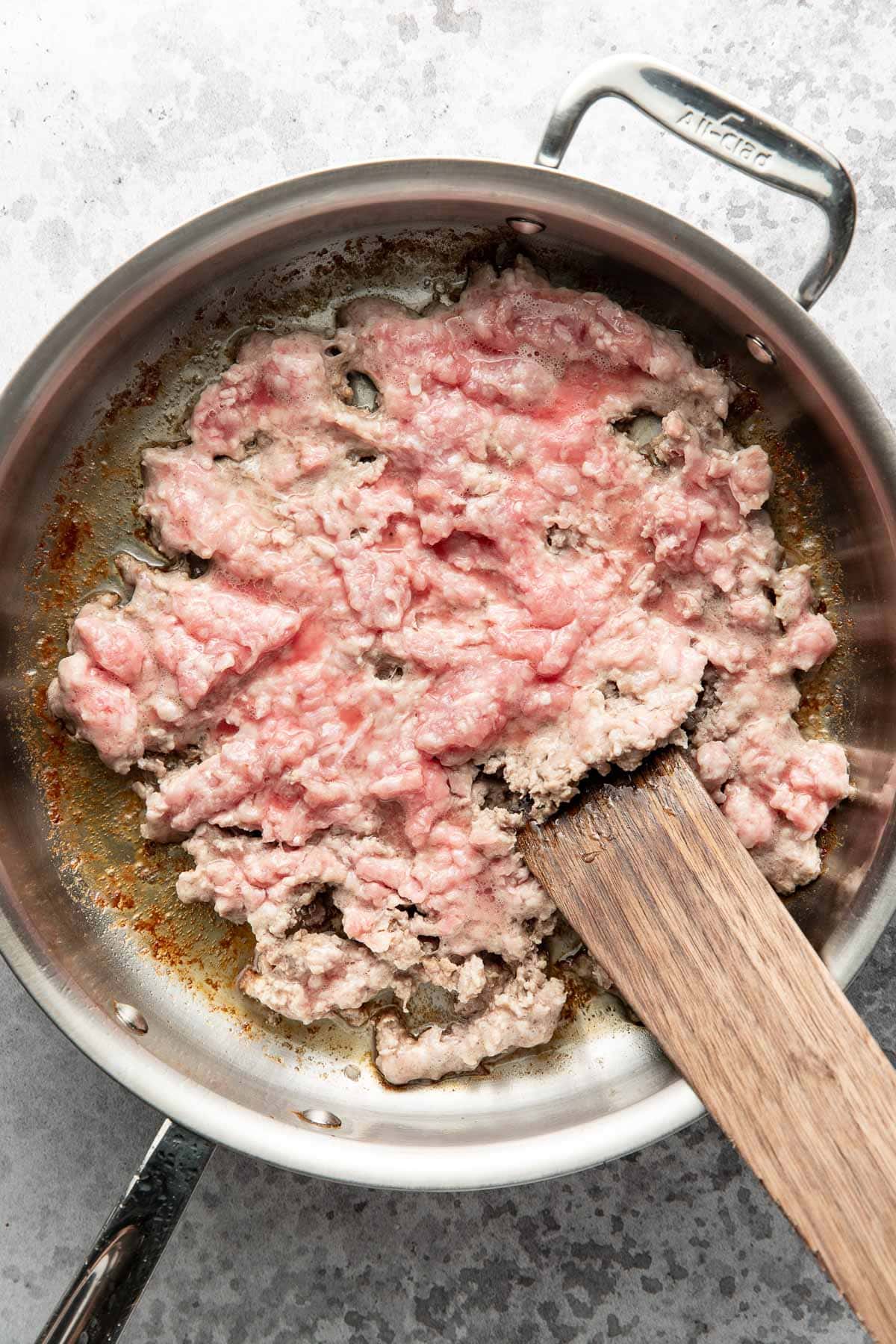
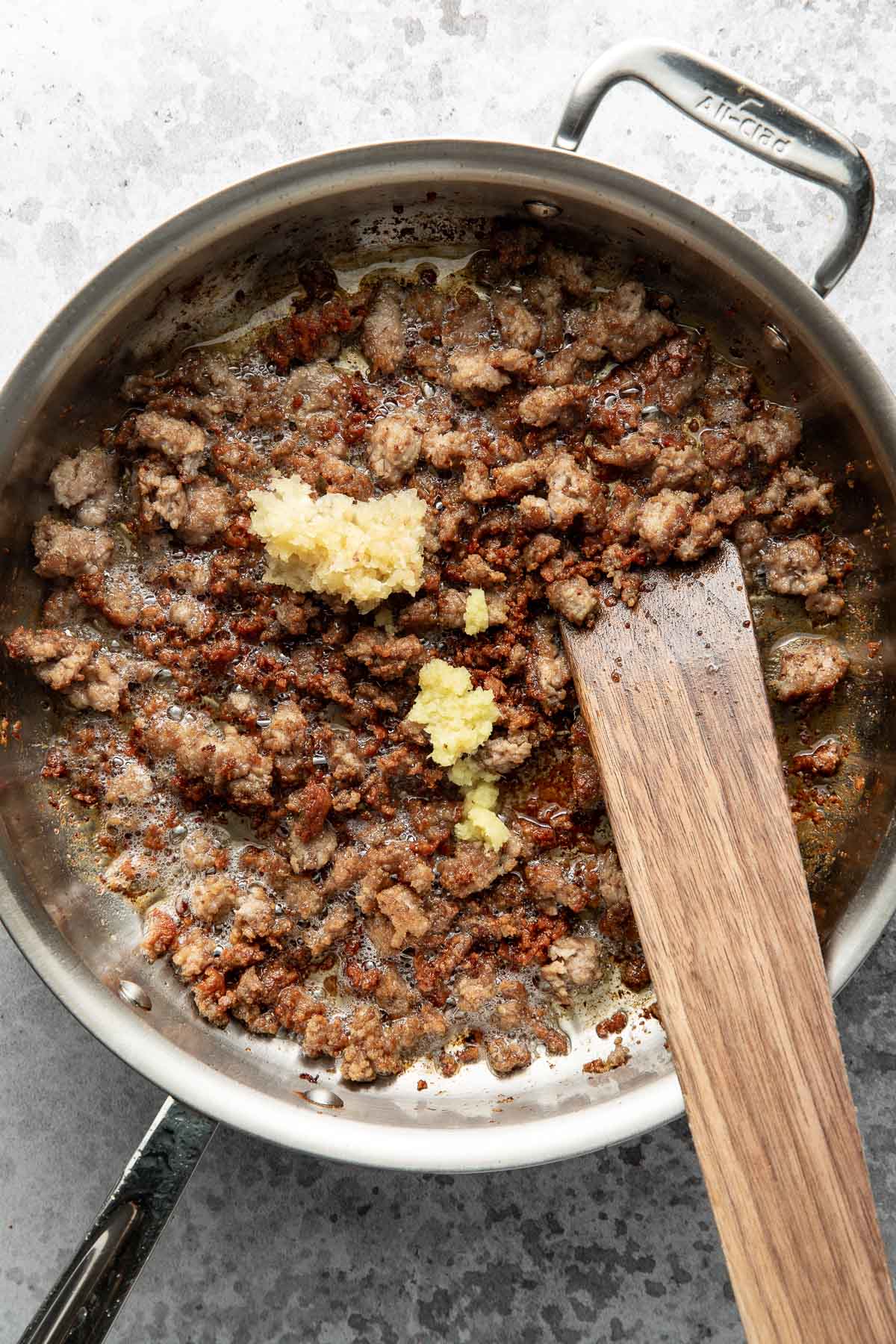
One order-of-operations note that makes a real difference: I add the doubanjiang before the soy sauces so it fries briefly in the rendered pork fat. (It’s the same reason you bloom curry paste or tomato paste rather than just stirring it into liquid.)
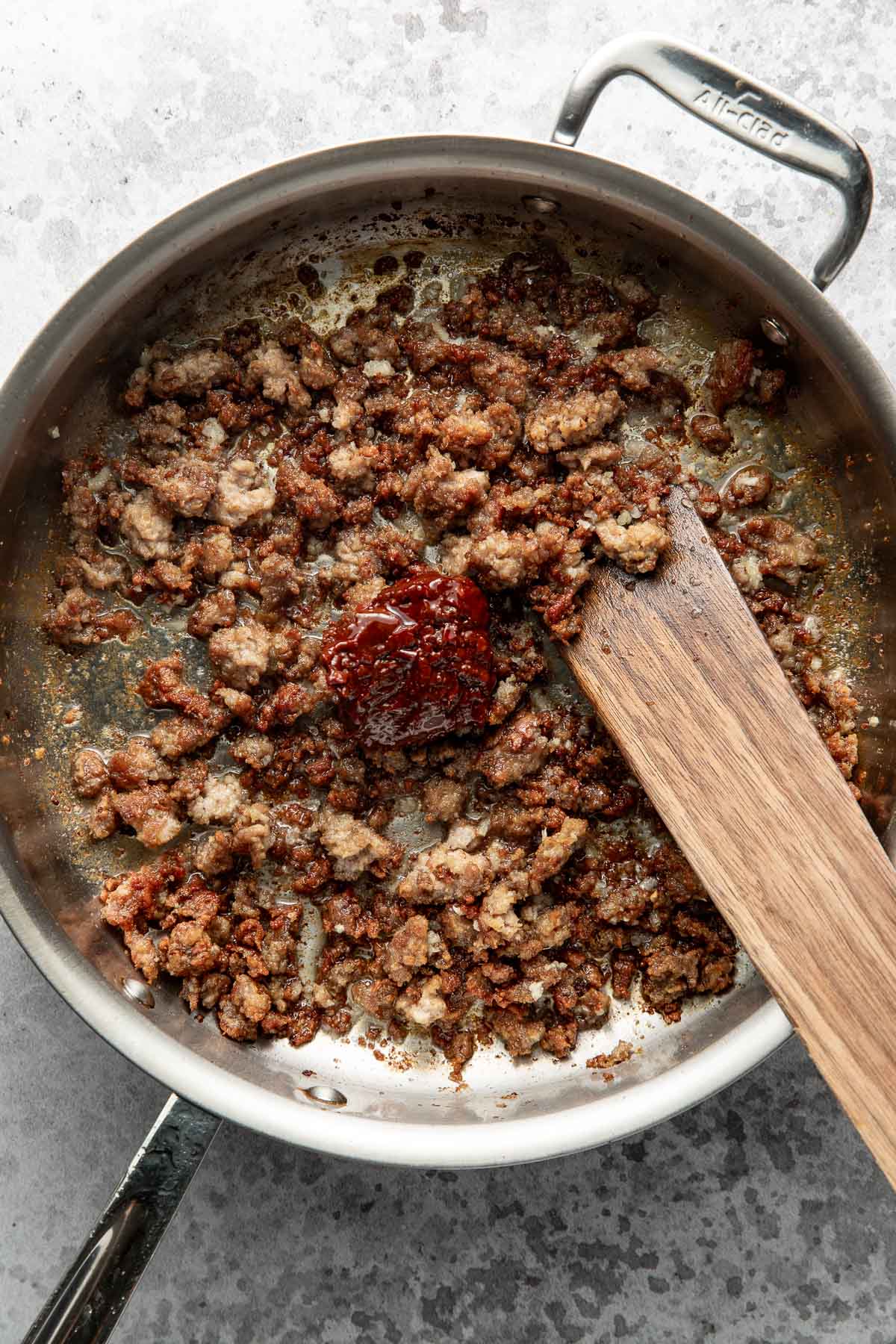
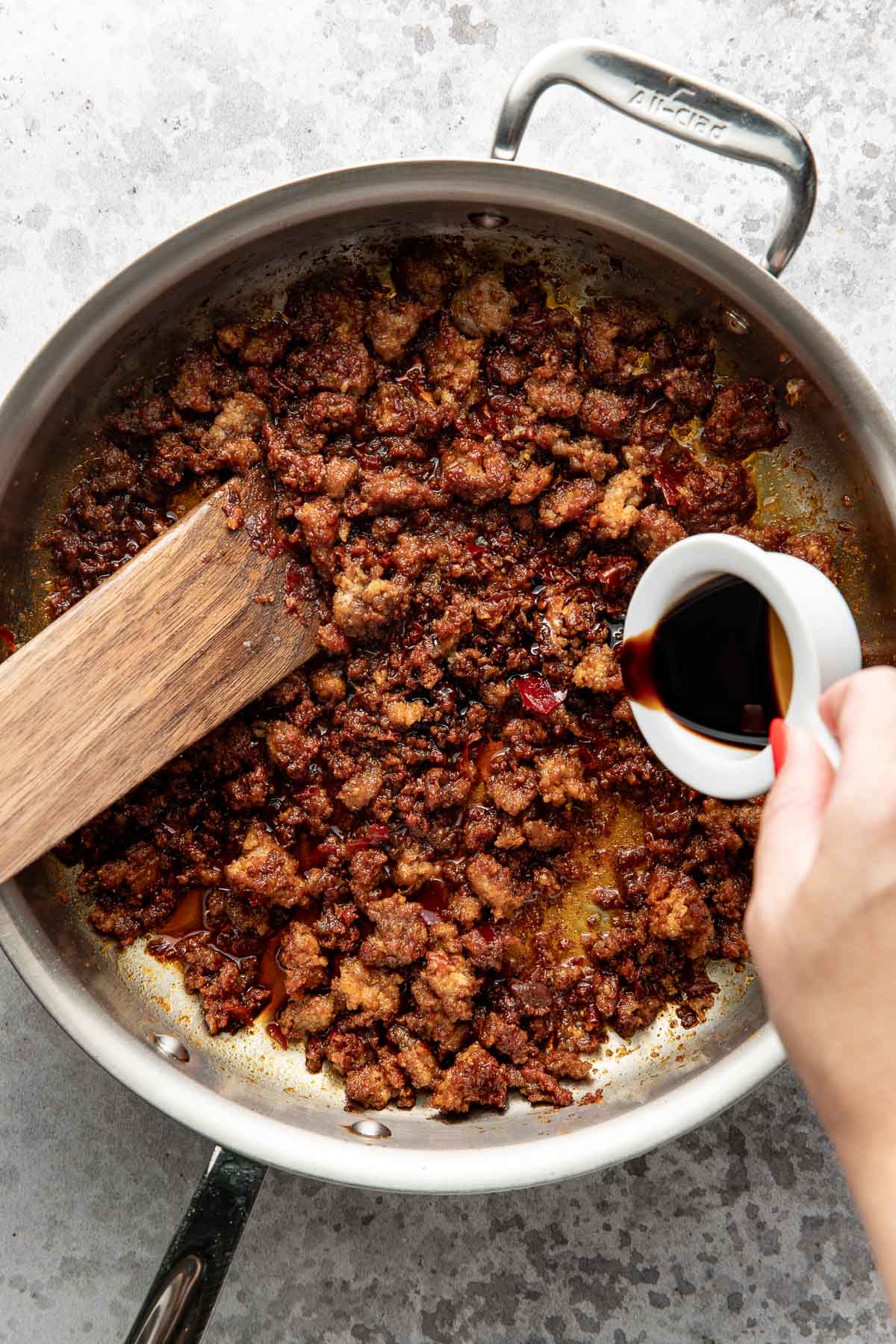
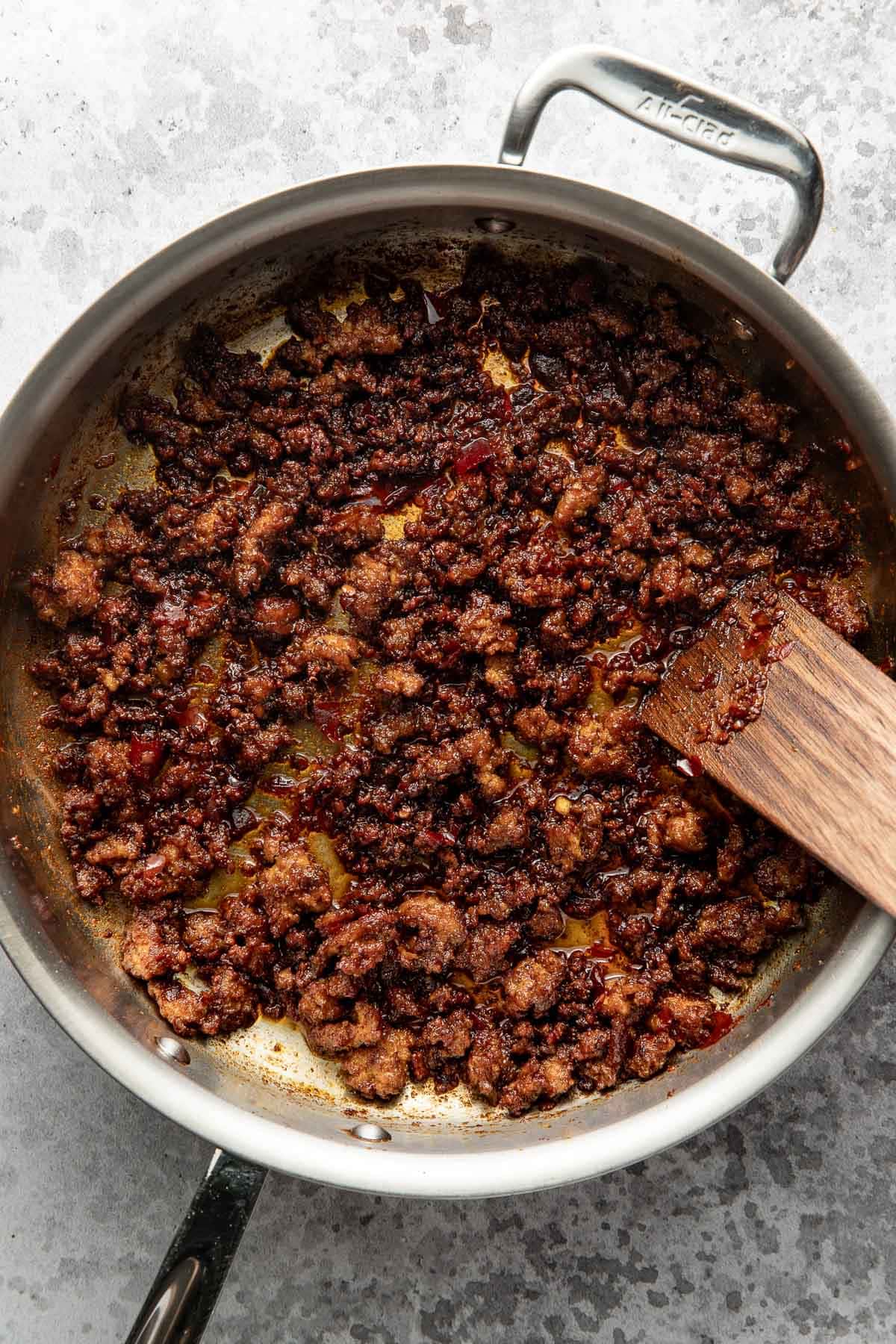
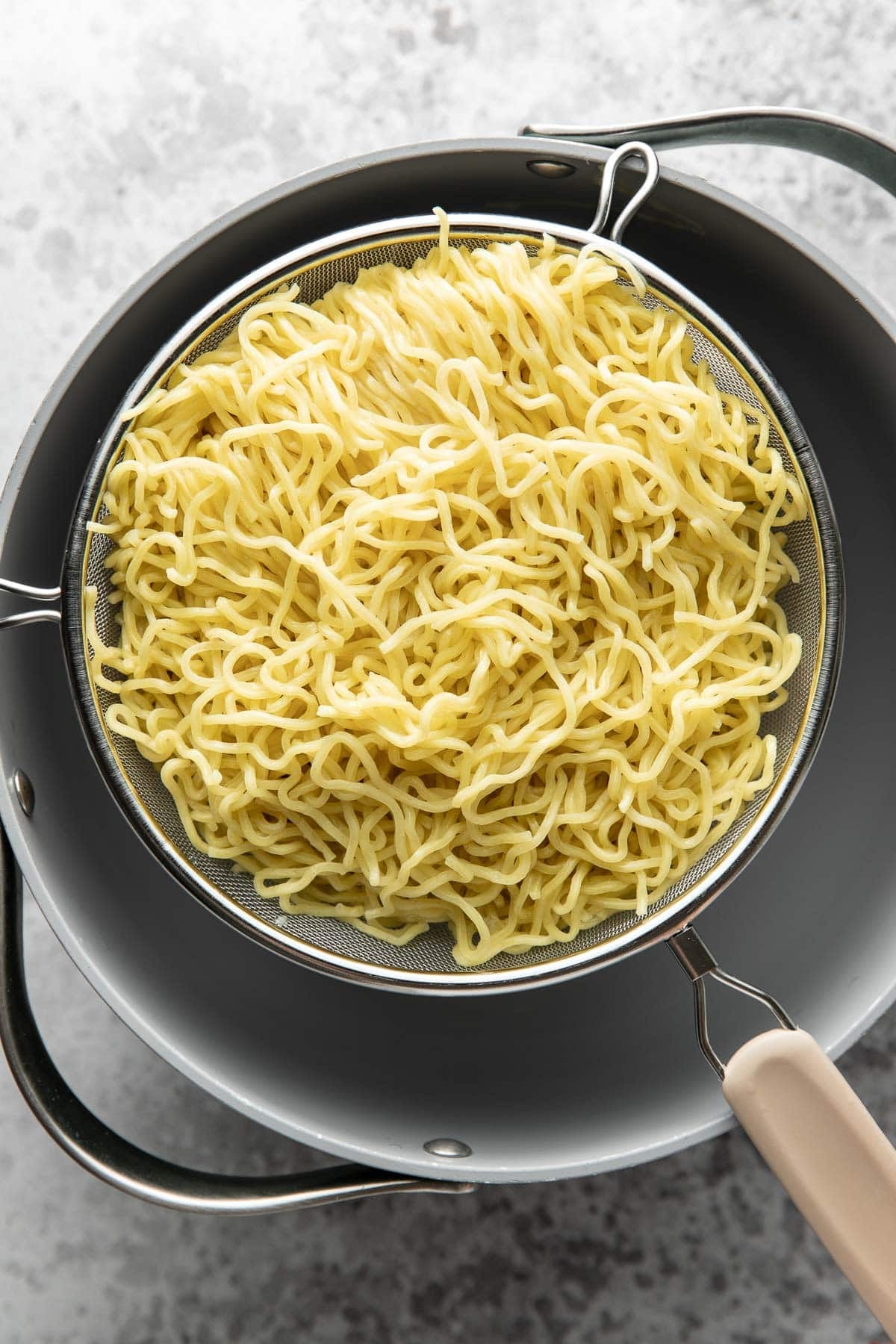
Another quick tip: Boiling noodles directly in the broth releases starch and turns a silky soup cloudy and gluey, which is why we recommend cooking them separately.

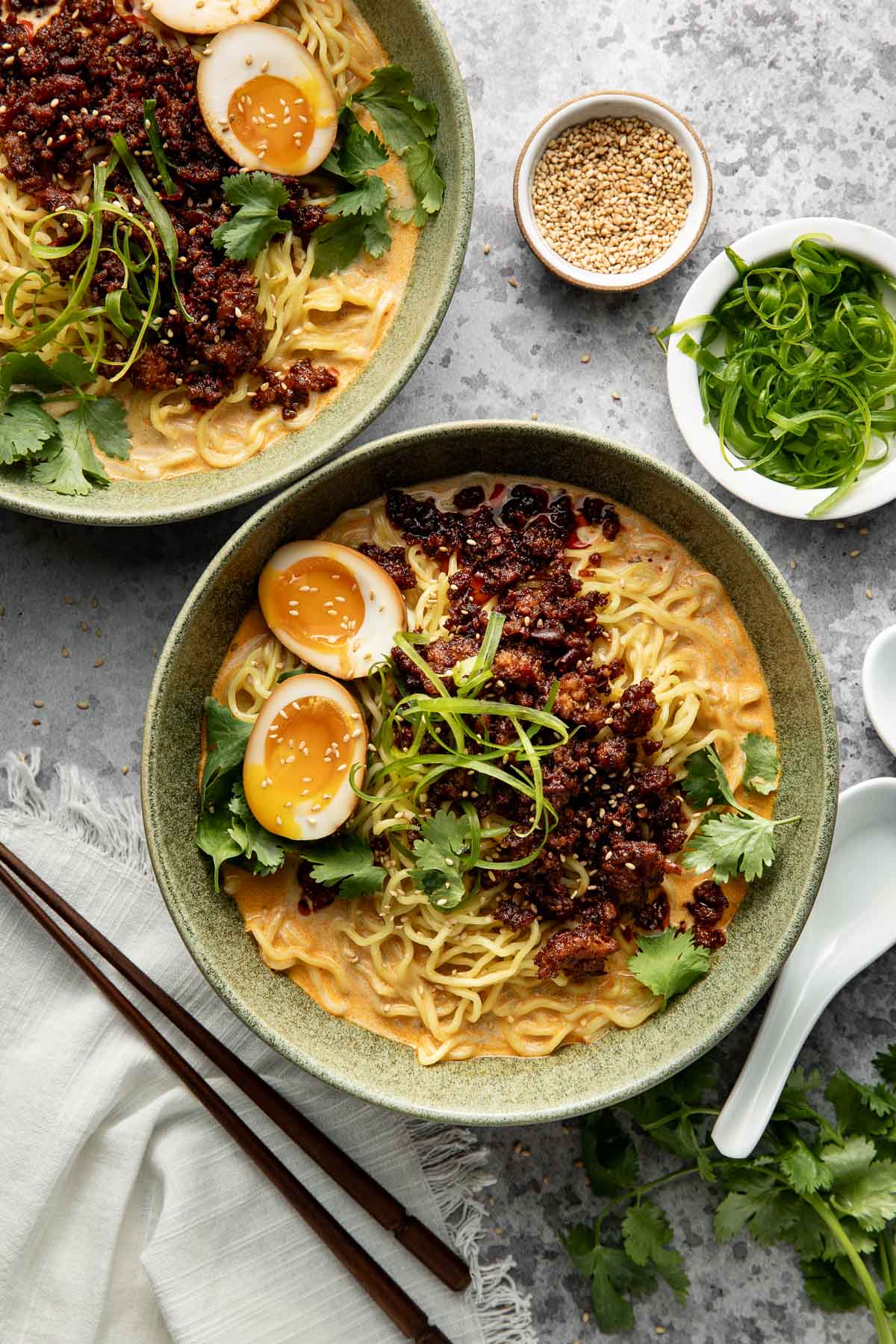
How to Serve It
Pro tip: Warm your bowls first. It’s a small thing that keeps a rich broth from cooling to lukewarm halfway through, and it’s what restaurants do.
Beyond the scallions, cilantro, and sesame seeds, a few toppings I reach for often: blanched baby bok choy, a spoonful of sweet corn (very Hokkaido), a sheet of nori, or an extra drizzle of chili oil.
For a full spread, start with blistered shishito peppers tossed with garlic and soy or beef tataki with ponzu and garlic chips. If you want a veggie alongside, miso-glazed Japanese eggplant is creamy and sweet in a way that plays well against the chili.
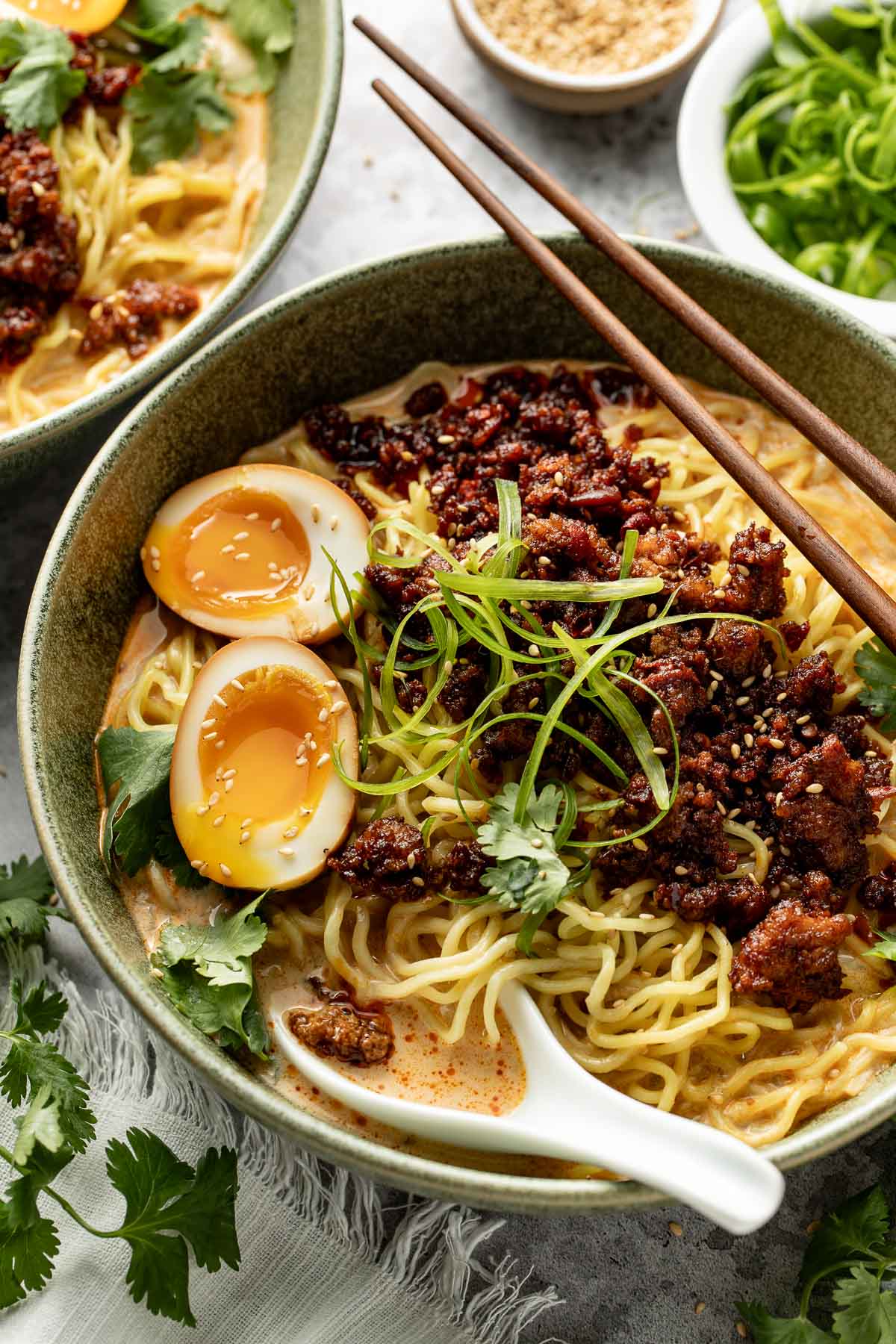
Make It Ahead
This one rewards planning. The eggs are better on day two than day one—the marinade needs time to work past the surface. The broth improves overnight as the sesame and aromatics settle. And the pork reheats beautifully in a hot dry skillet, which crisps it right back up.
Which means the only thing standing between you and dinner on a weeknight is boiling noodles. 🙌🏻
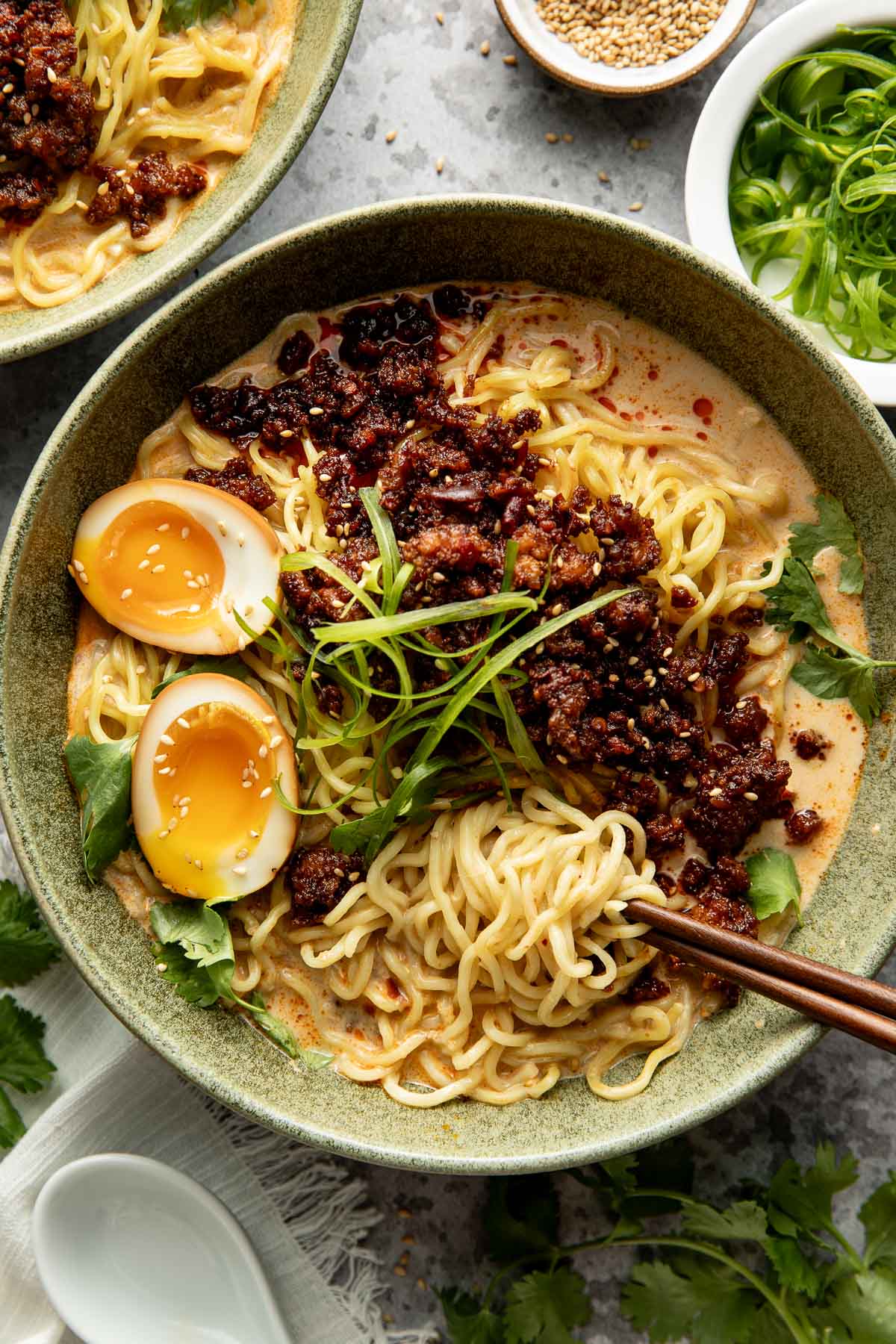
I’ve been chasing a tantanmen I could make on a Tuesday for years, and this creamy coconut version is the one that finally stuck. If you make it, please let me know by leaving a ⭐️⭐️⭐️⭐️⭐️ rating and review below!
And make sure to sign up for our newsletter and follow along on Instagram, TikTok, YouTube, Pinterest, and Facebook for more Well Seasoned recipes! Don’t forget to tag us on social channels when you make a recipe at #wellseasonedstudio and upload your photos below! We love seeing what you’re up to in the kitchen!
Tell Us What You Think!
If you make this recipe, don’t forget to leave a review and rating—we value your feedback and it helps us keep creating (and sharing!) free recipes. Your support means the world!
Rate this Recipe
Spicy Tantanmen Ramen with Ground Pork & Marinated Soft-Boiled Eggs
Equipment
Ingredients
For the Marinated Eggs
- 4 large eggs
- ½ cup (120ml) reduced-sodium soy sauce
- 1 Tbsp (15ml) mirin
- 1 Tbsp (15ml) rice wine vinegar
- 1 tsp sesame oil
For the Ramen Broth
- 2 Tbsp (30ml) Japanese chili oil (rayu) – any brand you like! I’ve even tested this with Trader Joe’s and it’s solid
- 4 garlic cloves, finely chopped
- 1 Tbsp (8g) fresh ginger, grated
- 3 cups (710ml) reduced-sodium chicken broth
- 13½ fl oz (400ml) full-fat coconut milk
- 2 Tbsp (30ml) reduced-sodium soy sauce
- 1 Tbsp (15ml) Chinese black vinegar
- 1 Tbsp (15g) Japanese white sesame paste (this is different from tahini)
- 1 tsp sesame oil
- 1 tsp granulated sugar
For the Crispy Pork
- 1 lb (450g) ground pork
- 2 Tbsp (30ml) neutral oil
- 3 garlic cloves, finely chopped
- 1 tsp fresh ginger, grated or finely chopped
- 1 Tbsp (15ml) reduced-sodium soy sauce
- 1 Tbsp dark soy sauce
- 1½ Tbsp spicy chili bean paste, doubanjiang – available on Amazon, at Asian markets, and at some regular grocery stores
For Serving
- 15 oz (425g) fresh ramen noodles – I absolutely love Sun Noodle, found at Whole Foods. They say that each box is two servings (two packages), but I think it makes a ton. I’d recommend three packages for four people. Feel free to use them all if you like a lot of noodles. Or use any variety of noodles you enjoy.
- 4 scallions (see slicing tips below, or simply cut very thinly on the diagonal)
- ½ cup fresh cilantro leaves
- 2 Tbsp (18g) toasted sesame seeds
Instructions
- Soft-boil the eggs. Bring a small saucepan of water to a boil. Gently lower 4 eggs in and cook for exactly 6 minutes. Transfer immediately to an ice bath and let cool for 5 minutes, then peel carefully.
- Marinate the eggs. In a small sealable container, combine ½ cup (120ml) reduced-sodium soy sauce, 1 Tbsp (15ml) mirin, 1 Tbsp (15ml) rice wine vinegar, and 1 tsp sesame oil. Add the peeled eggs, making sure they are fully submerged. Refrigerate for at least 1 hour, ideally 4–8 hours or overnight, turning occasionally for even color if not fully submerged.
- Build the broth. In a medium saucepan over medium heat, warm 2 Tbsp (30ml) Japanese chili oil (rayu) for about 1 minute until fragrant. Add minced garlic and 1 Tbsp fresh ginger, then cook, stirring, for another minute. Pour in 3 cups (710ml) chicken broth and 1 (400ml) can of coconut milk. Bring to a gentle simmer, then stir in 2 Tbsp (30ml) soy sauce, 1 Tbsp (15ml) Chinese black vinegar, 1 Tbsp (15g) white sesame paste, 1 tsp sesame oil, and 1 tsp sugar. Keep warm over low heat, tasting and adjusting seasoning as needed.
- Brown the pork. Heat a wide skillet or wok over high heat until very hot, then add 2 Tbsp (30ml) neutral oil. Add 1 lb (450g) ground pork in a single layer, then press down — let it sear undisturbed until deeply browned and crispy on the bottom, about 5–6 minutes. Use a wooden spatula to break it up, then continue cooking, stirring occasionally, until most of the meat is browned and a little crunchy.
- Season the pork. Reduce heat to medium. Add chopped garlic and fresh ginger, stir well, then cook until fragrant, about 1 minute. Add 1½ Tbsp bean paste (doubanjiang) and stir to coat, cooking for 1 minute. Add 1 Tbsp (15ml) soy sauce and 1 Tbsp (15ml) dark soy sauce, toss everything together, then cook for another minute until the pork is glossy. Remove from heat.
- Cook the noodles & prep the eggs. Cook ramen noodles according to package directions. Drain well, then divide among four bowls. (Alternatively, serve with steamed white rice for a noodle-free option.) Remove the marinated eggs from the marinade and slice each one in half lengthwise.
- Assemble and serve. Ladle the hot coconut broth generously over the noodles. Spoon the crispy pork topping over the center. Nestle two egg halves in each bowl, cut side up. Finish with sliced scallions, as much fresh cilantro as you like (I’m pretty aggressive with mine 😂), and a sprinkle of sesame seeds. Add an extra drizzle of chili oil if you like more heat. Serve immediately!
Notes
- Slicing scallions: If you want to slice scallions for garnish so it looks like you’re at a Japanese restaurant, start by cutting them into roughly 2-to-3-inch lengths. Split the stalks lengthwise, scrape away the slimy inner core (this prevents curling), and stack the flat pieces together. Slice them lengthwise, with the grain, as thinly as possible.
- Storing sliced scallions: Immediately place thinly sliced scallions into a bowl of ice water. Leave them for 15-20 minutes, then gently strain and wrap in a paper towel to squeeze out excess moisture before garnishing.
- The eggs are actually better the longer they sit in the marinade — up to 2 days in the fridge. Any longer and you may want to add a splash of water (they get saltier the longer they sit). Make them the night before for deeper color and flavor.
- The broth can be made up to 3 days in advance and refrigerated.
- Soupless version: Reduce the finished broth by half until it coats a spoon, then toss with drained noodles instead of ladling over.
Nutrition
Photography by: Meg McKeehan



Let us know your thoughts!